・TADASHI YHOSIMURA INTERVIEW
WITH j.j.magazine (a monthly magazine published by Grand Hyatt Seoul for
presentation to its’ key patrons, clientele and hotel
guests.)
・韓国ソウルグランドハイアットホテルJ.J.magazineのインタビューを受けました。(2011.12.21)
TADASHI
YHOSIMURA INTERVIEW WITH j.j.magazine
1. Please Introduce ‘TADASHI YOSIMURA
ARCHITECTS’ To Us.
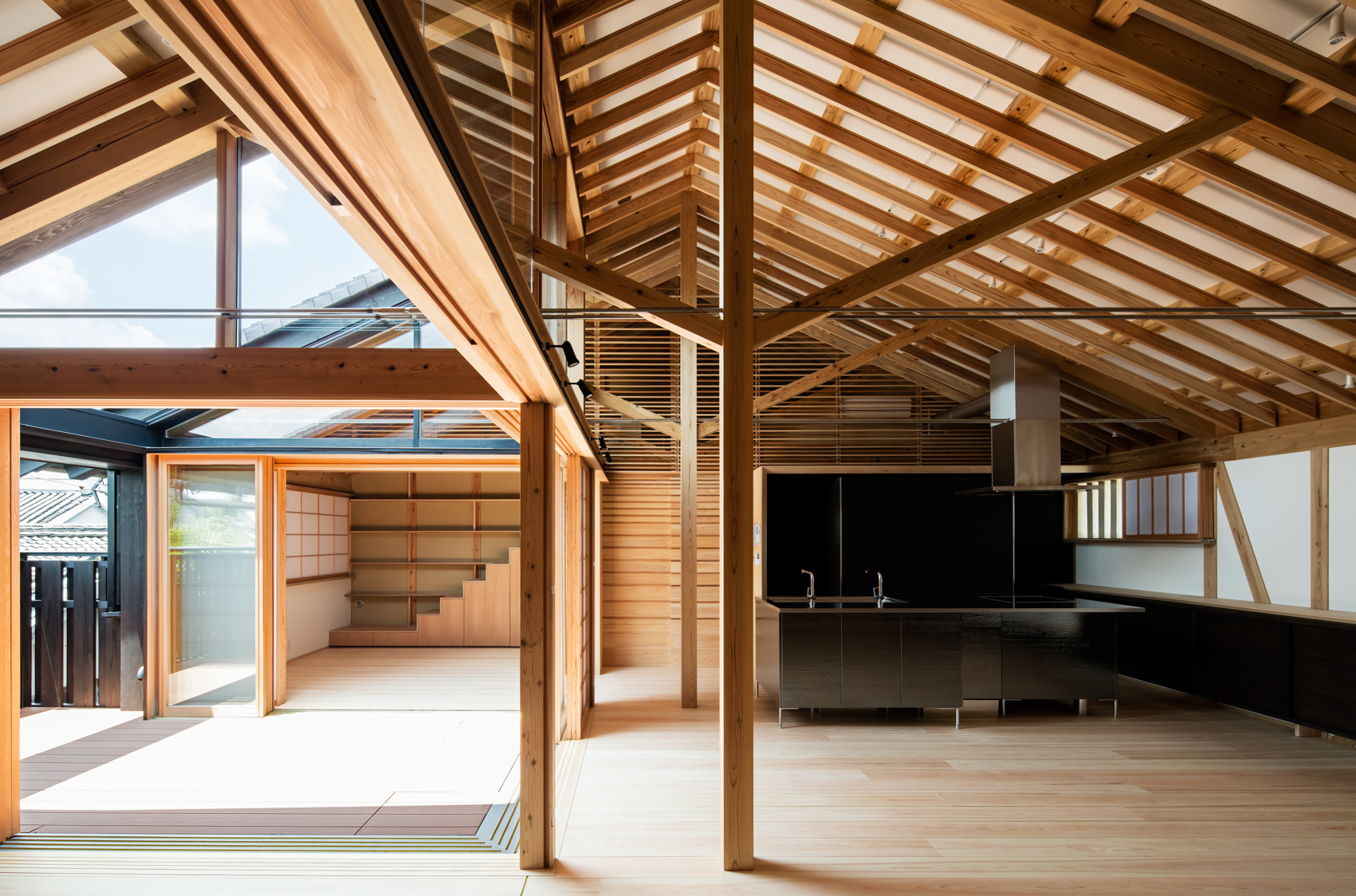
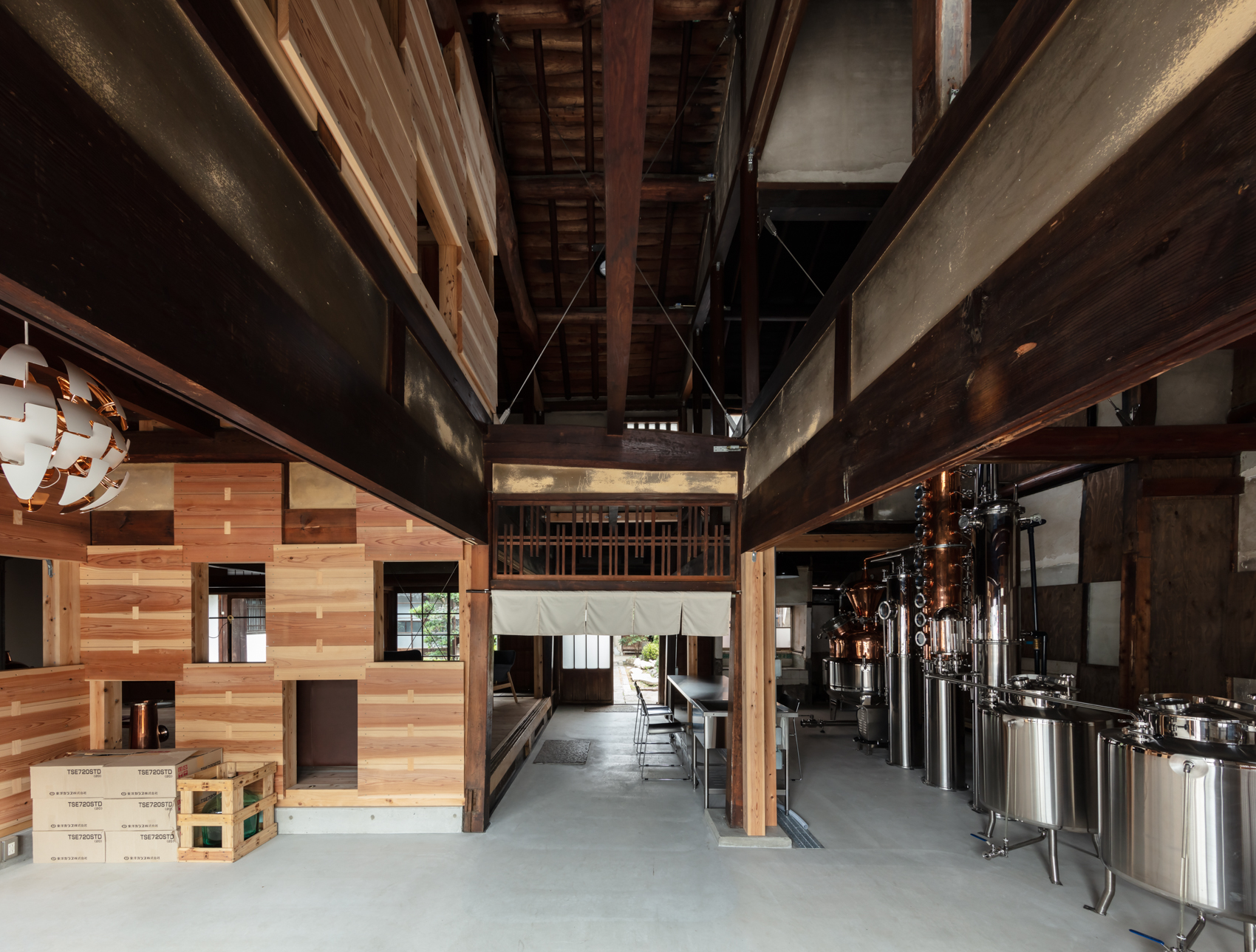
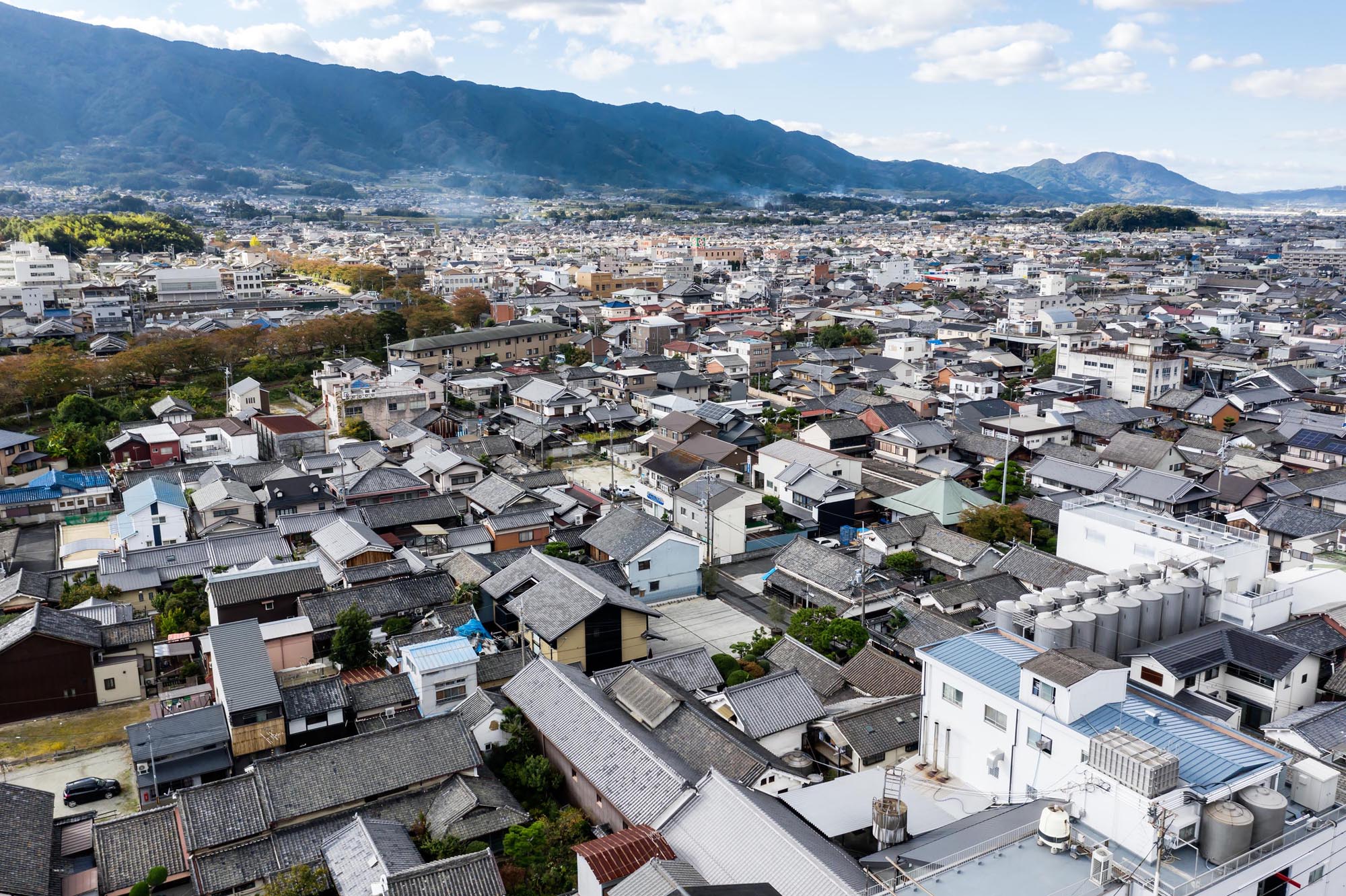
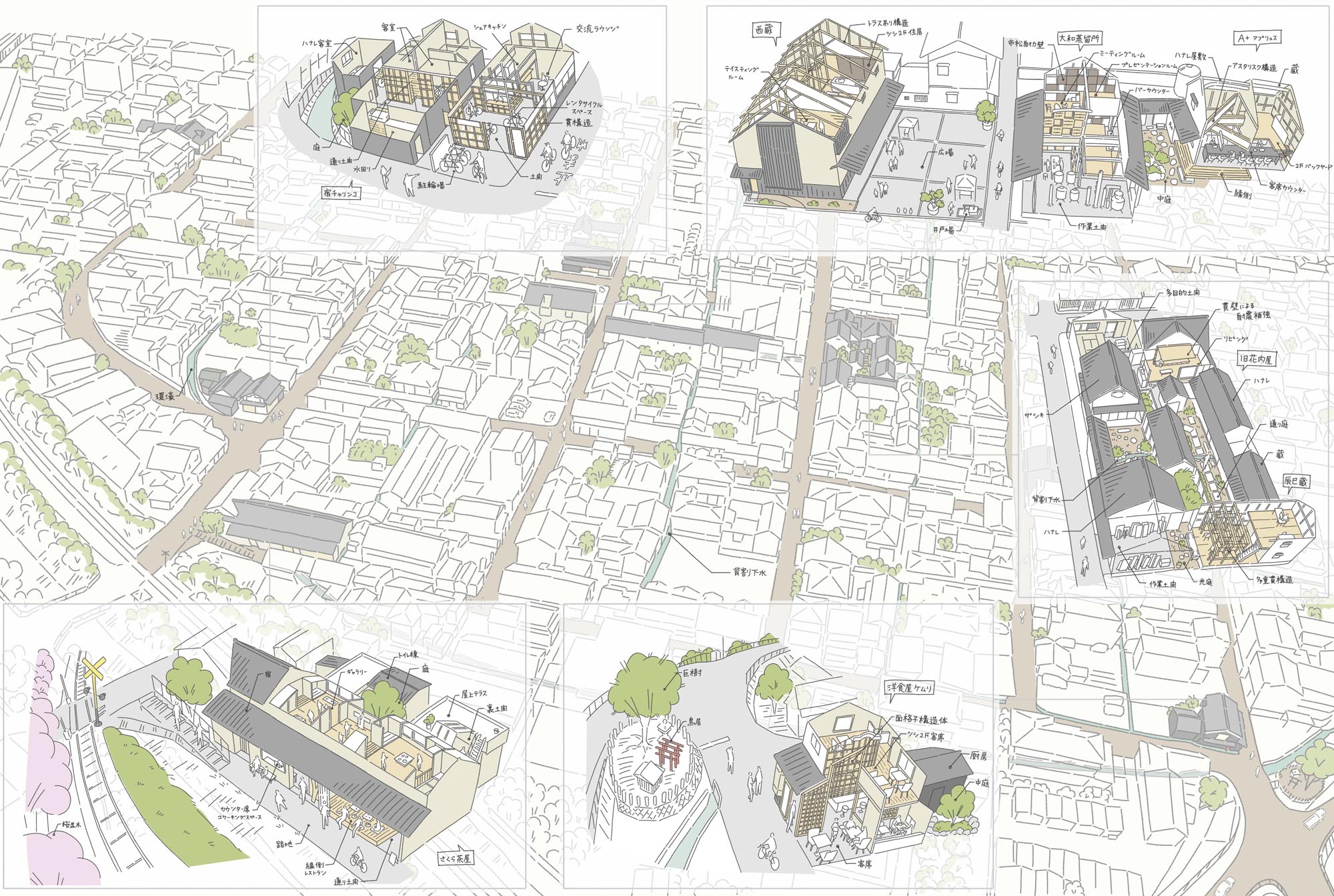
TADASHI YOSIMURA ARCHITECTS is a Nara, Japan-based
architecture office founded by Tadashi Yoshimura and Yihsuan Lin in 2006.
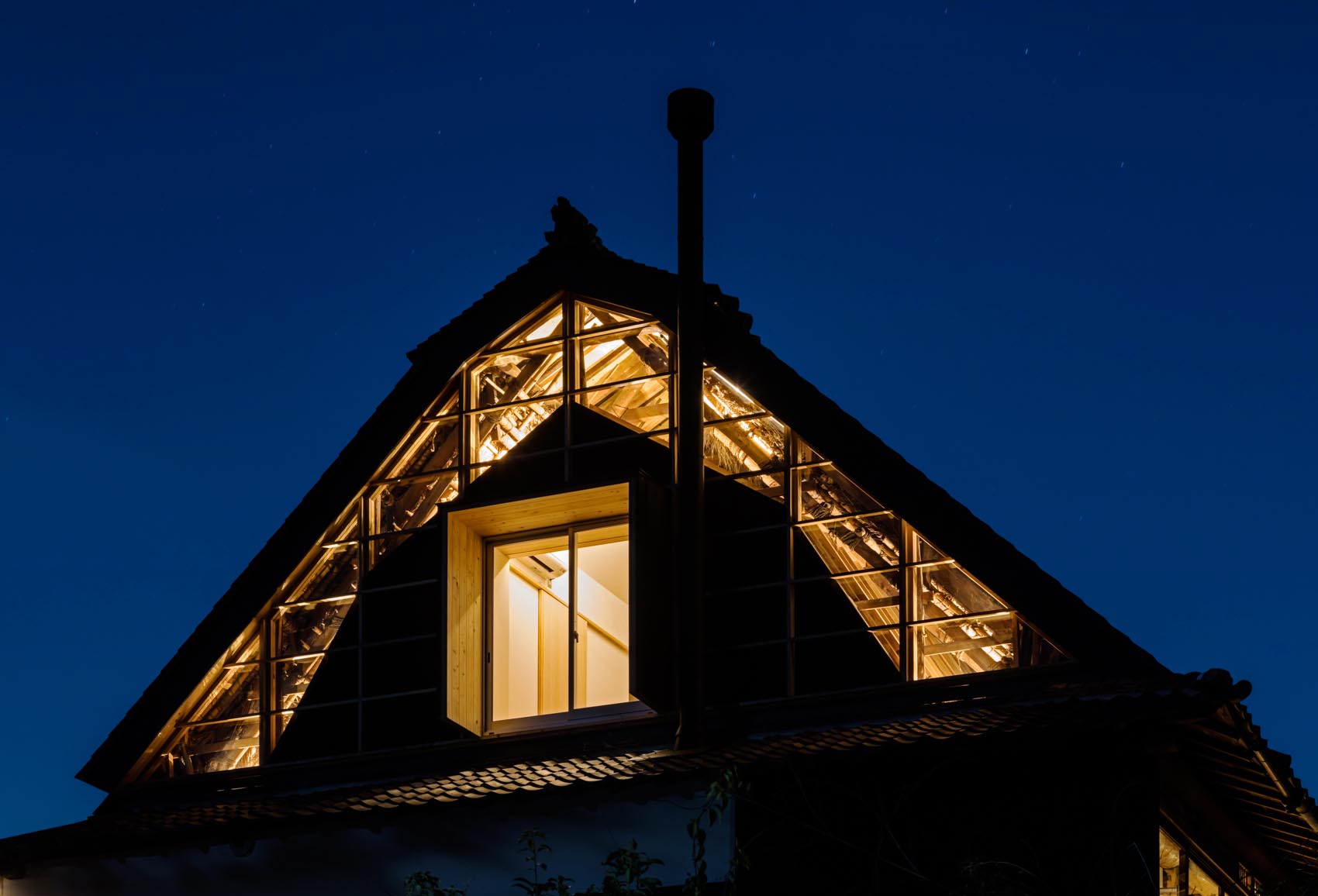
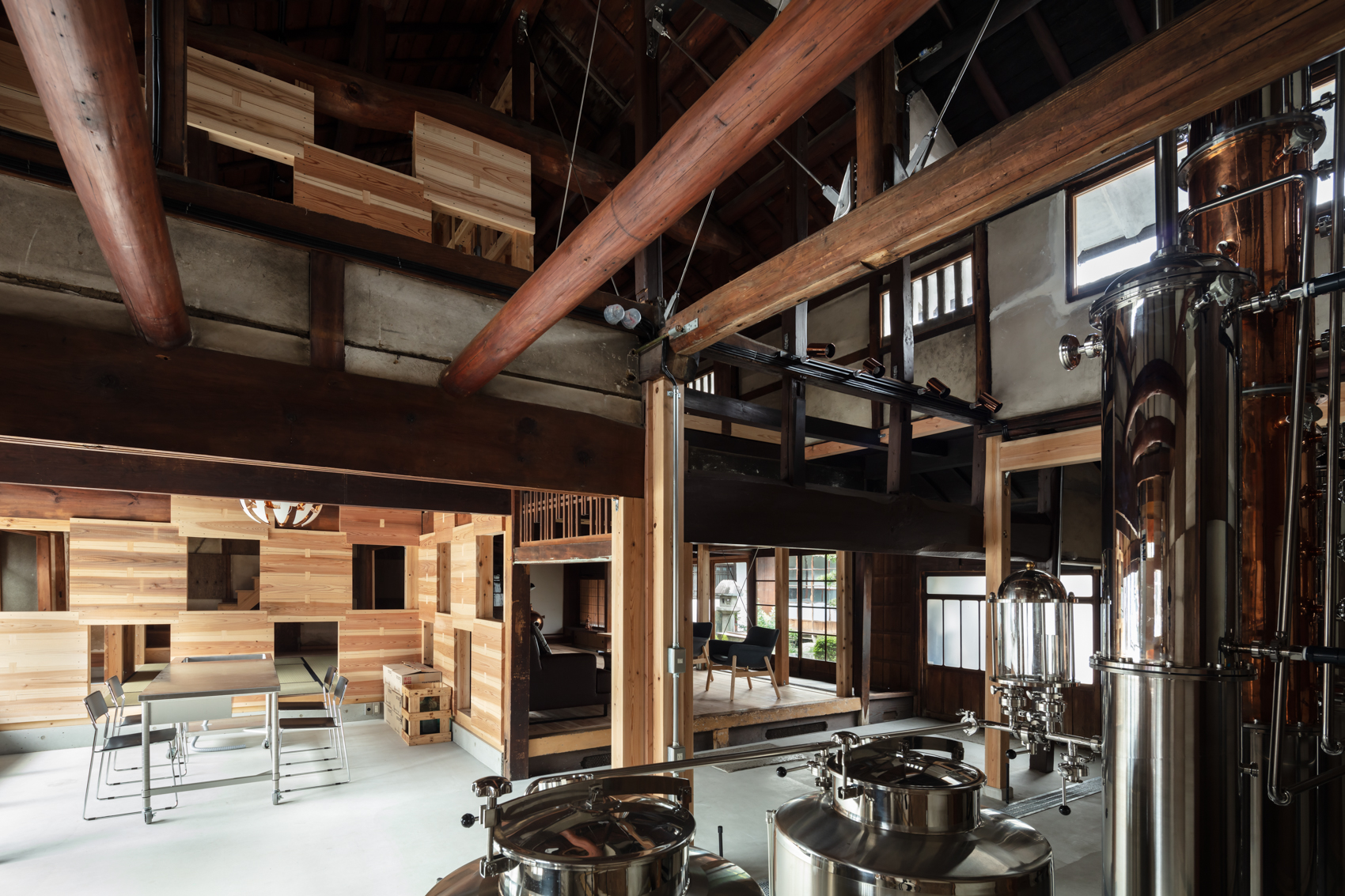
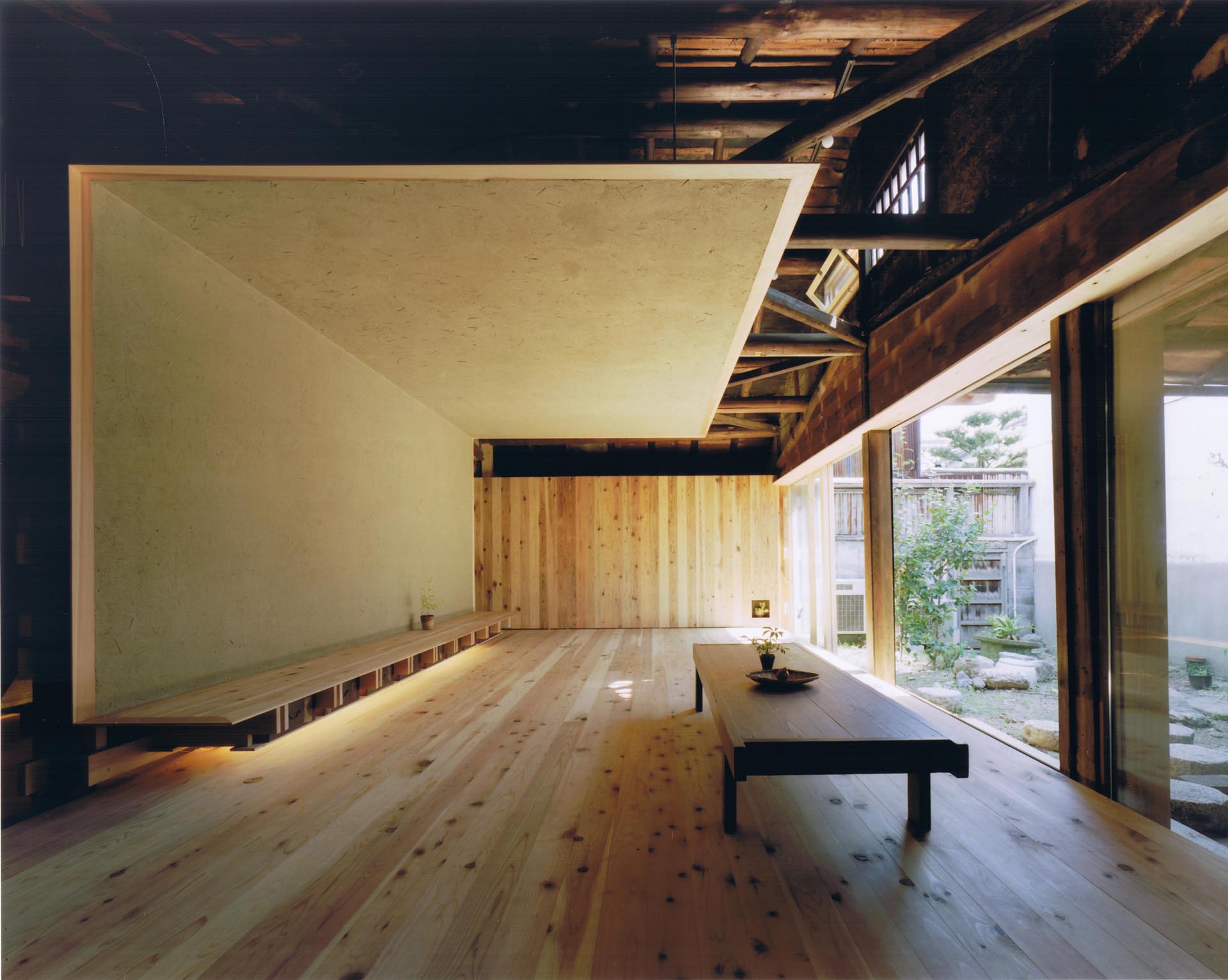
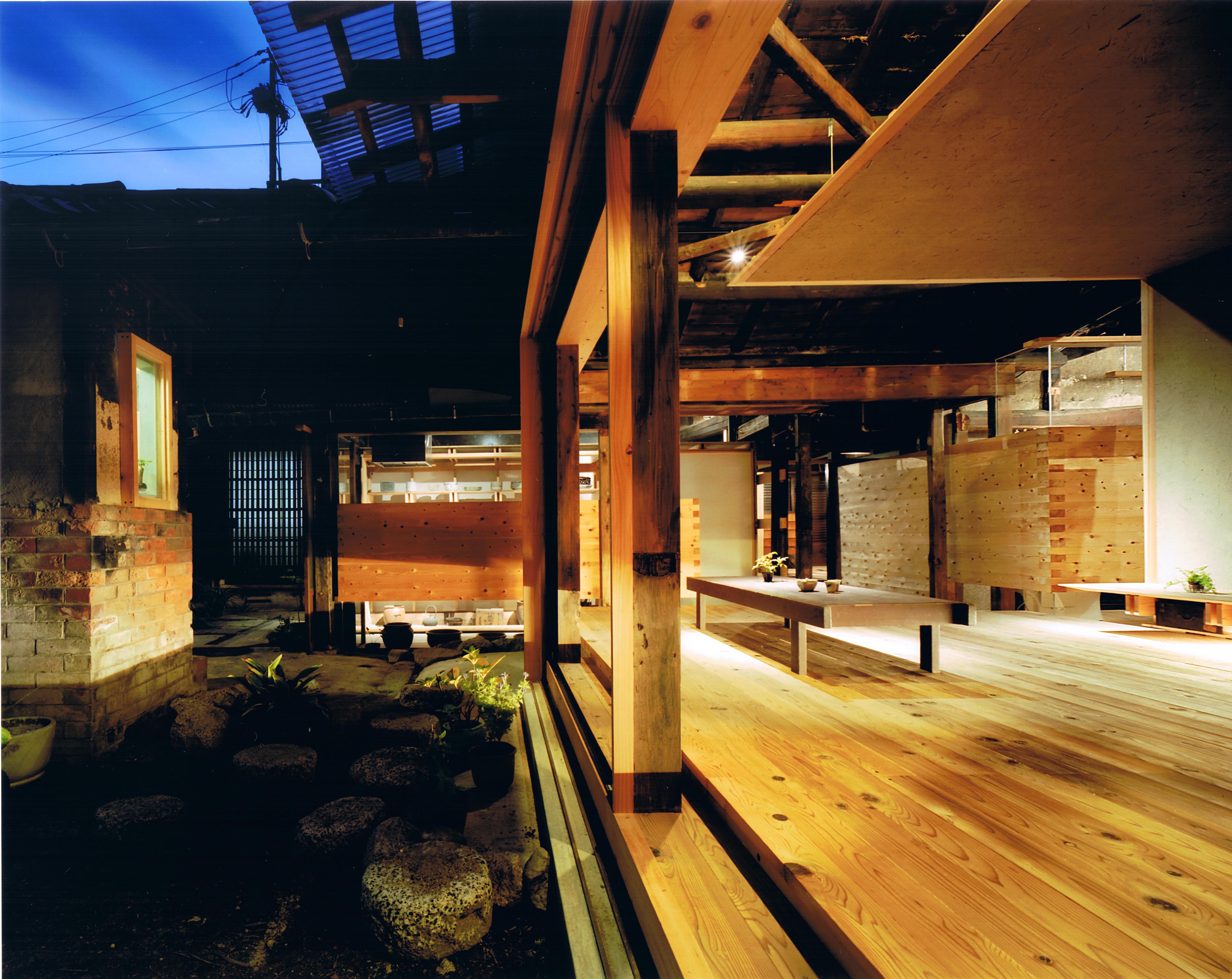
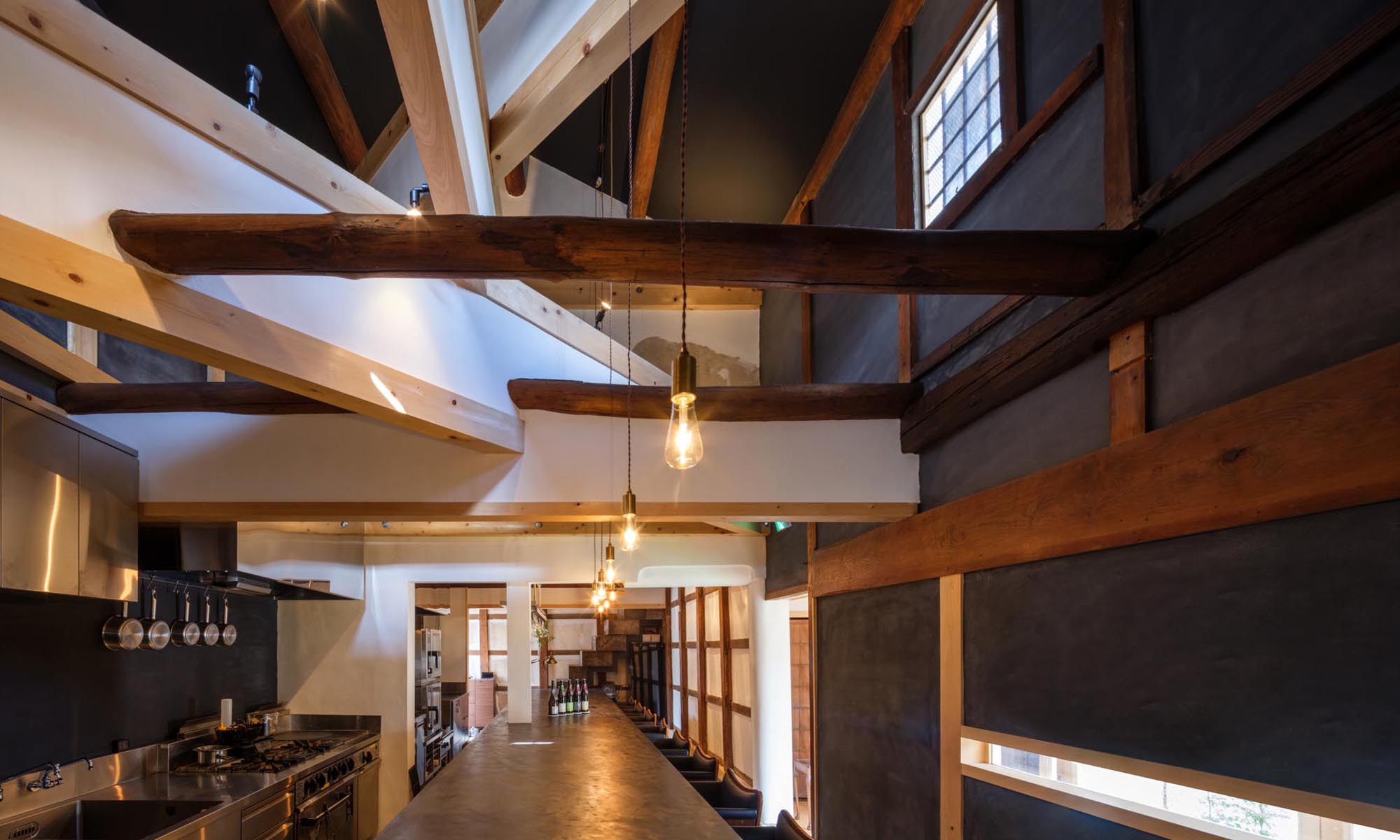
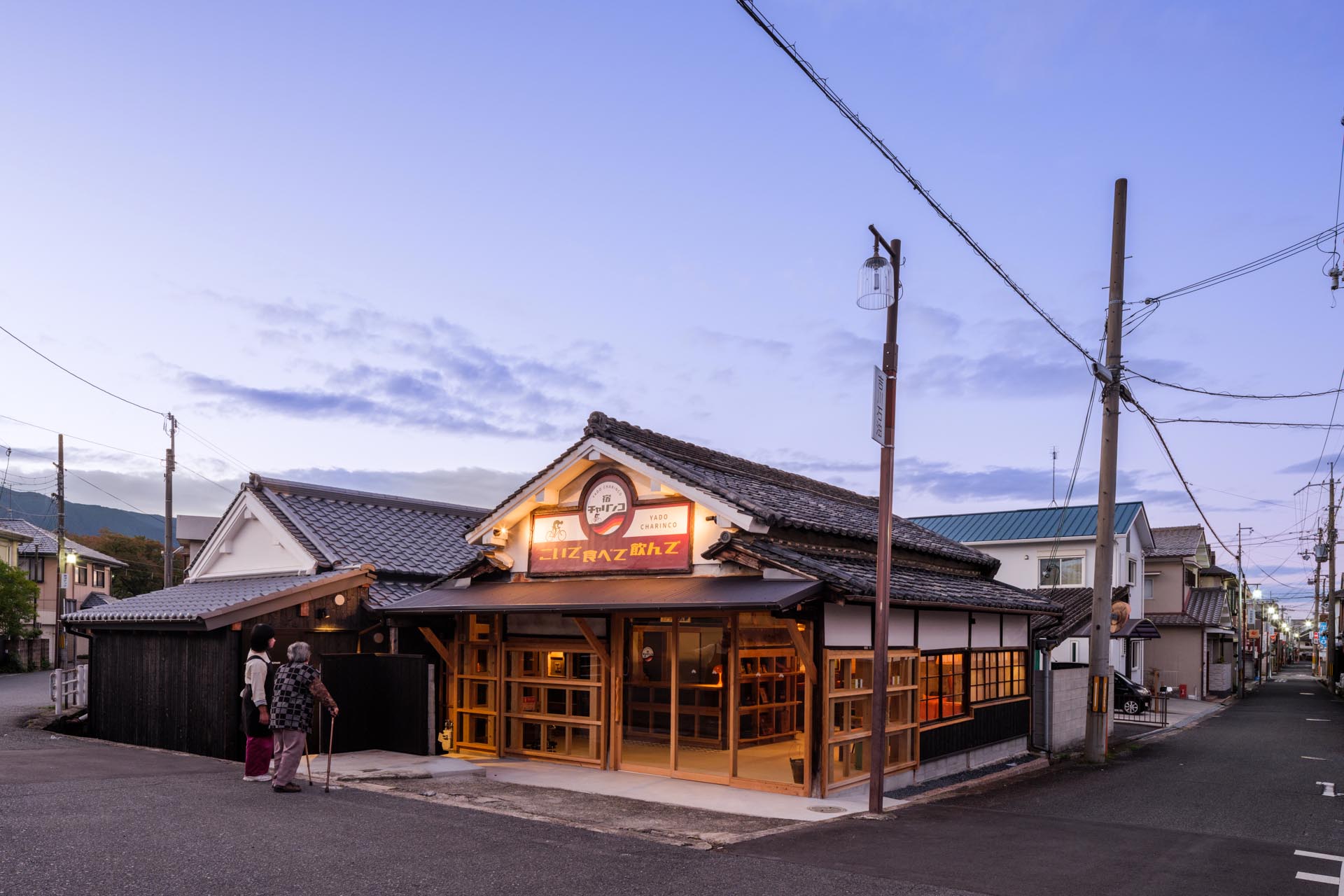
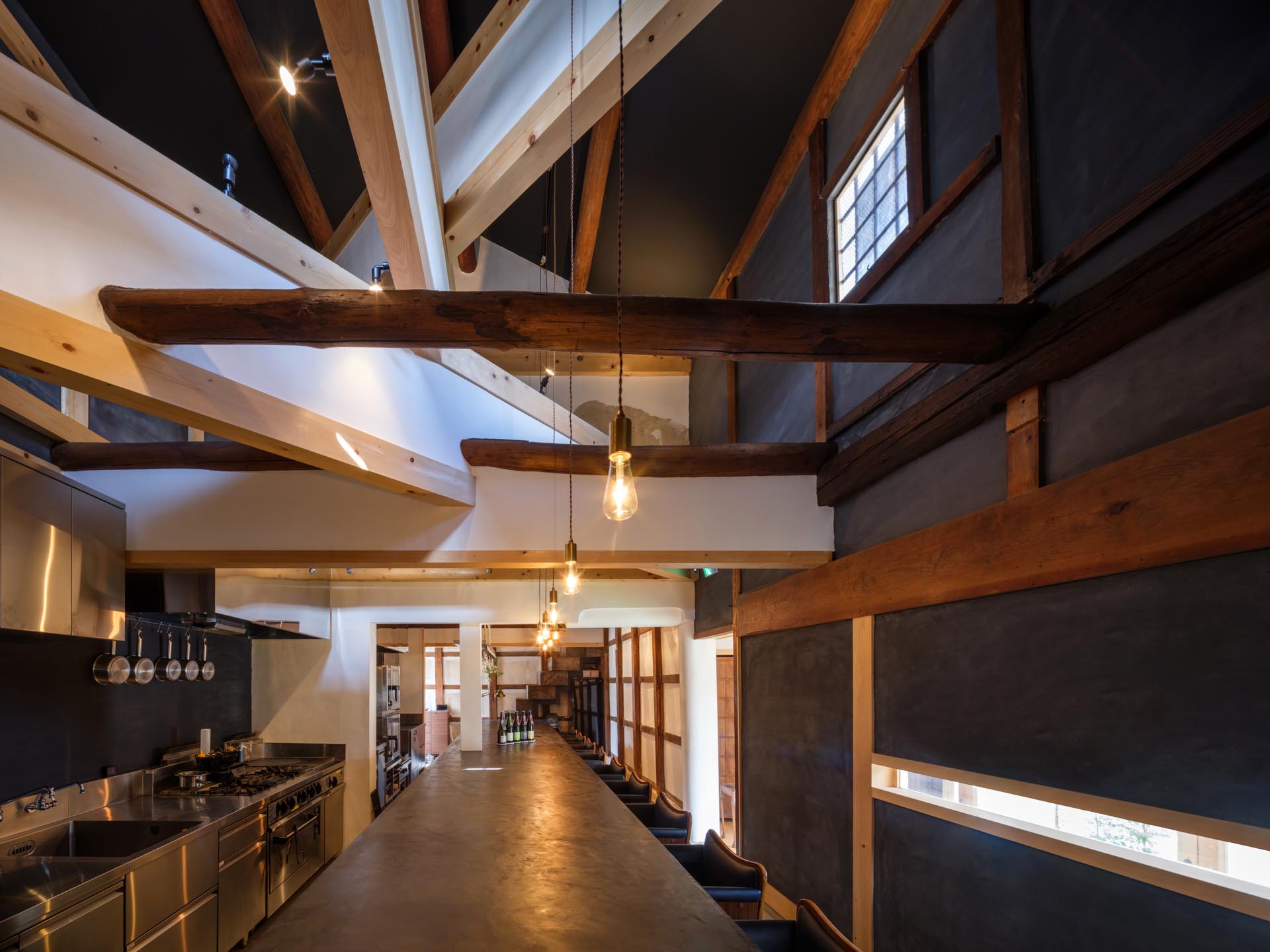
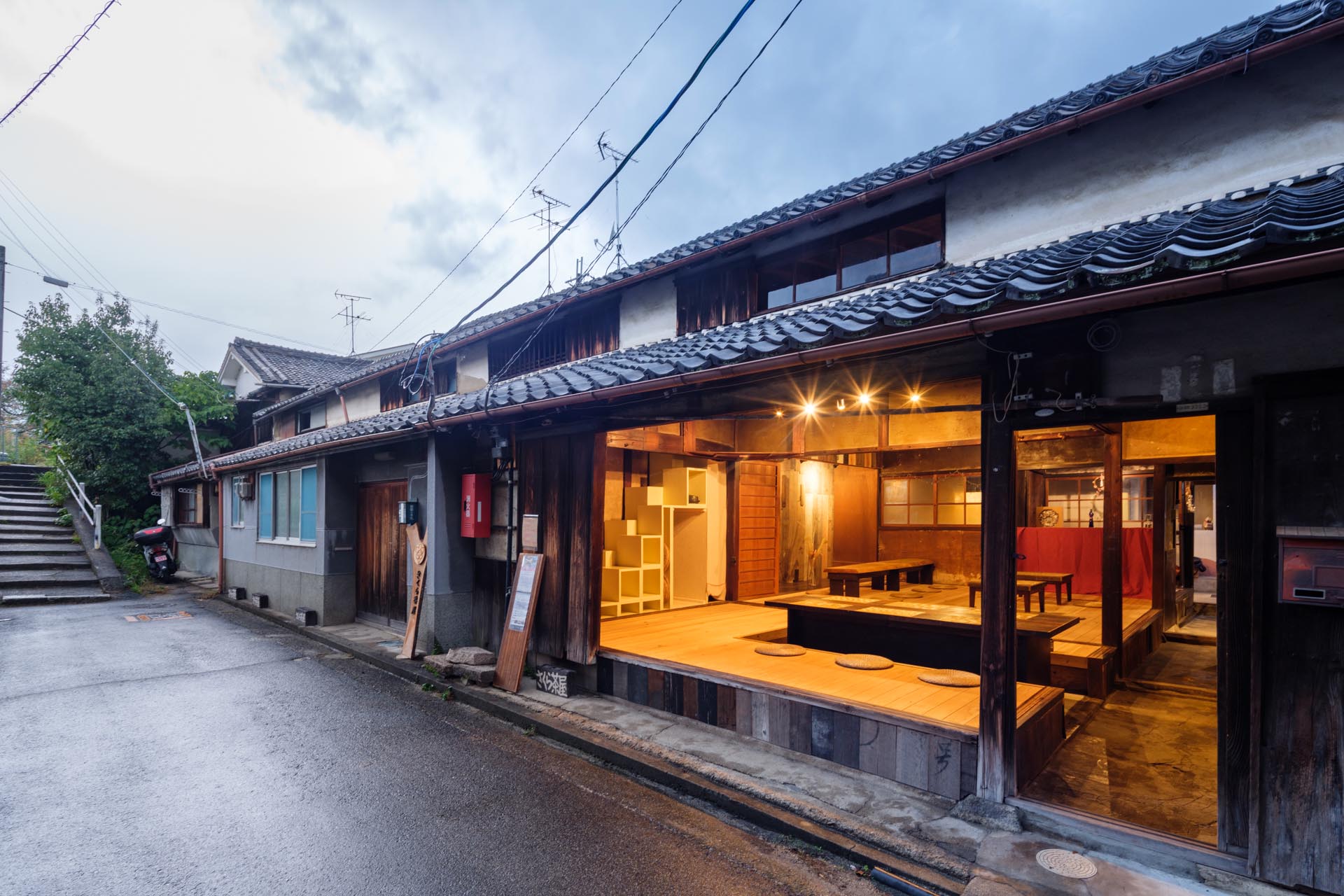
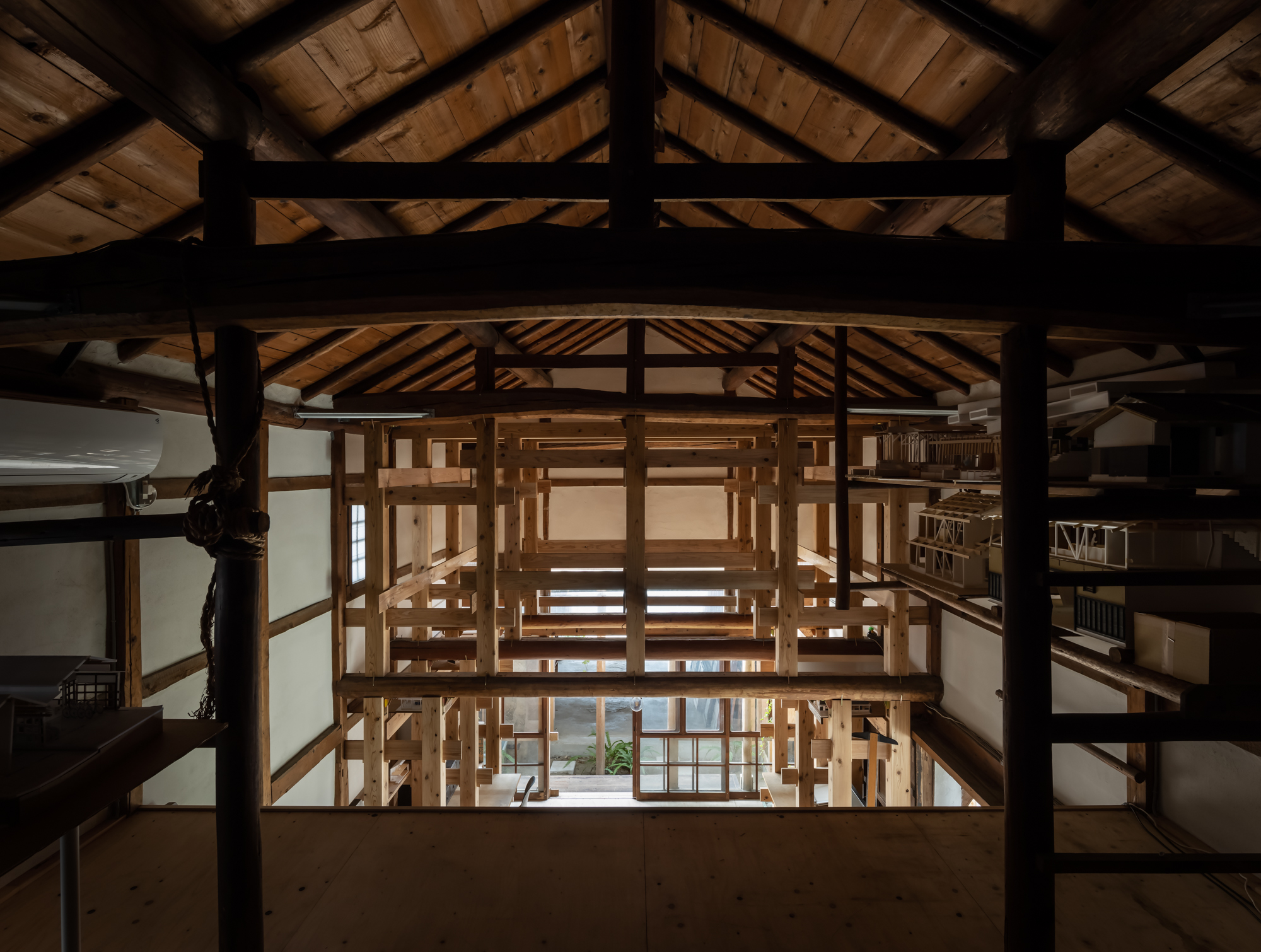
We work in a former pharmacy, an old-fashioned traditional Japanese townhouse
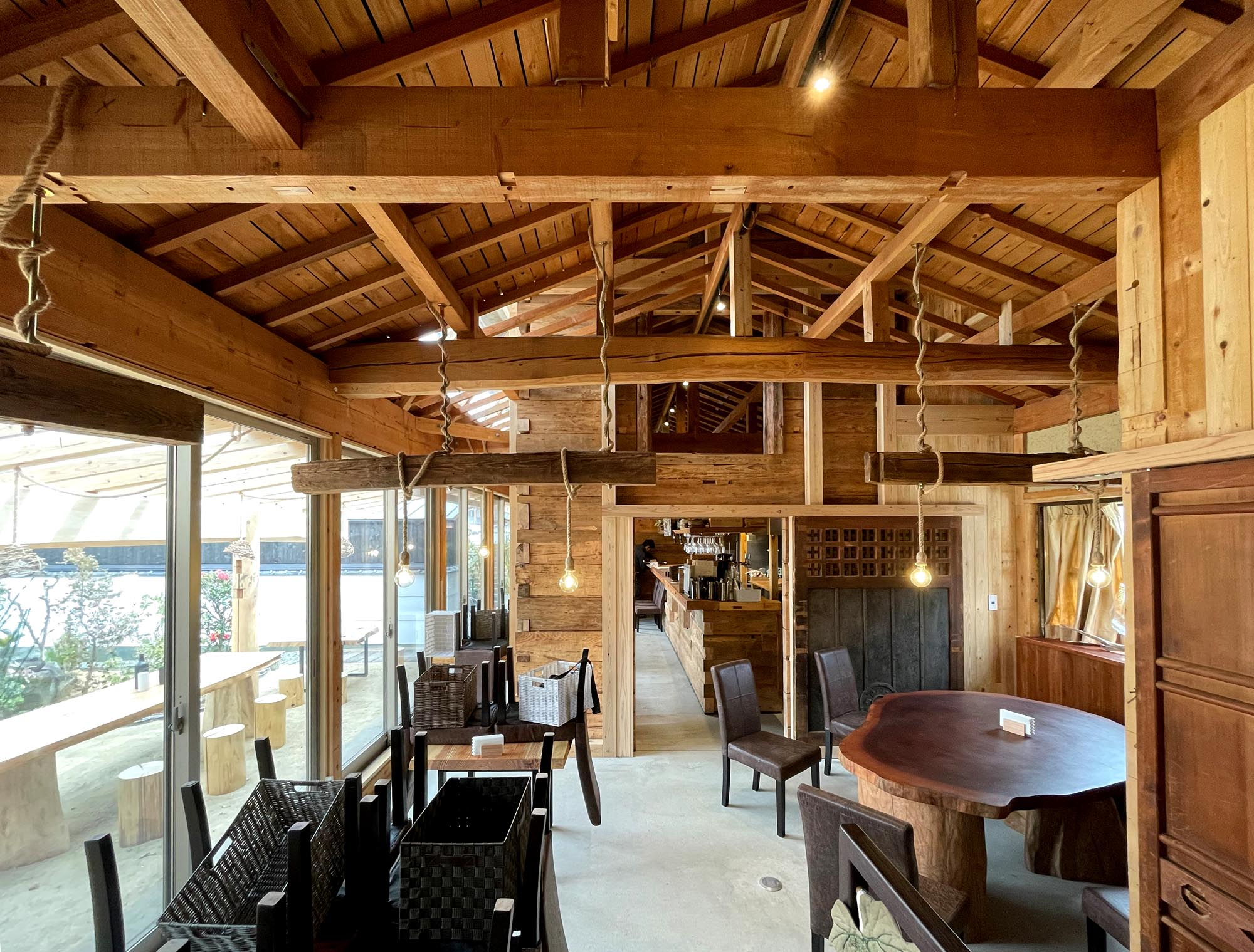
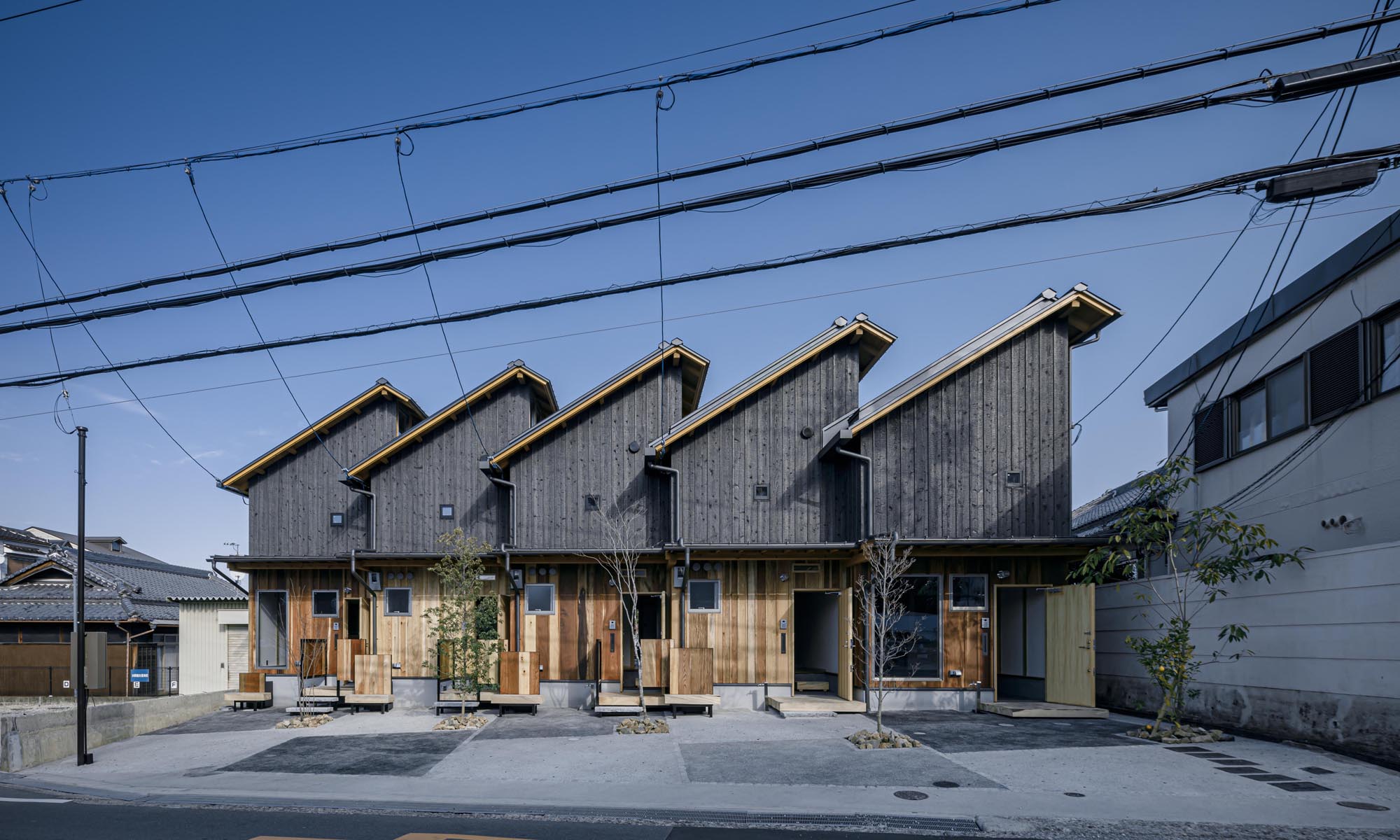
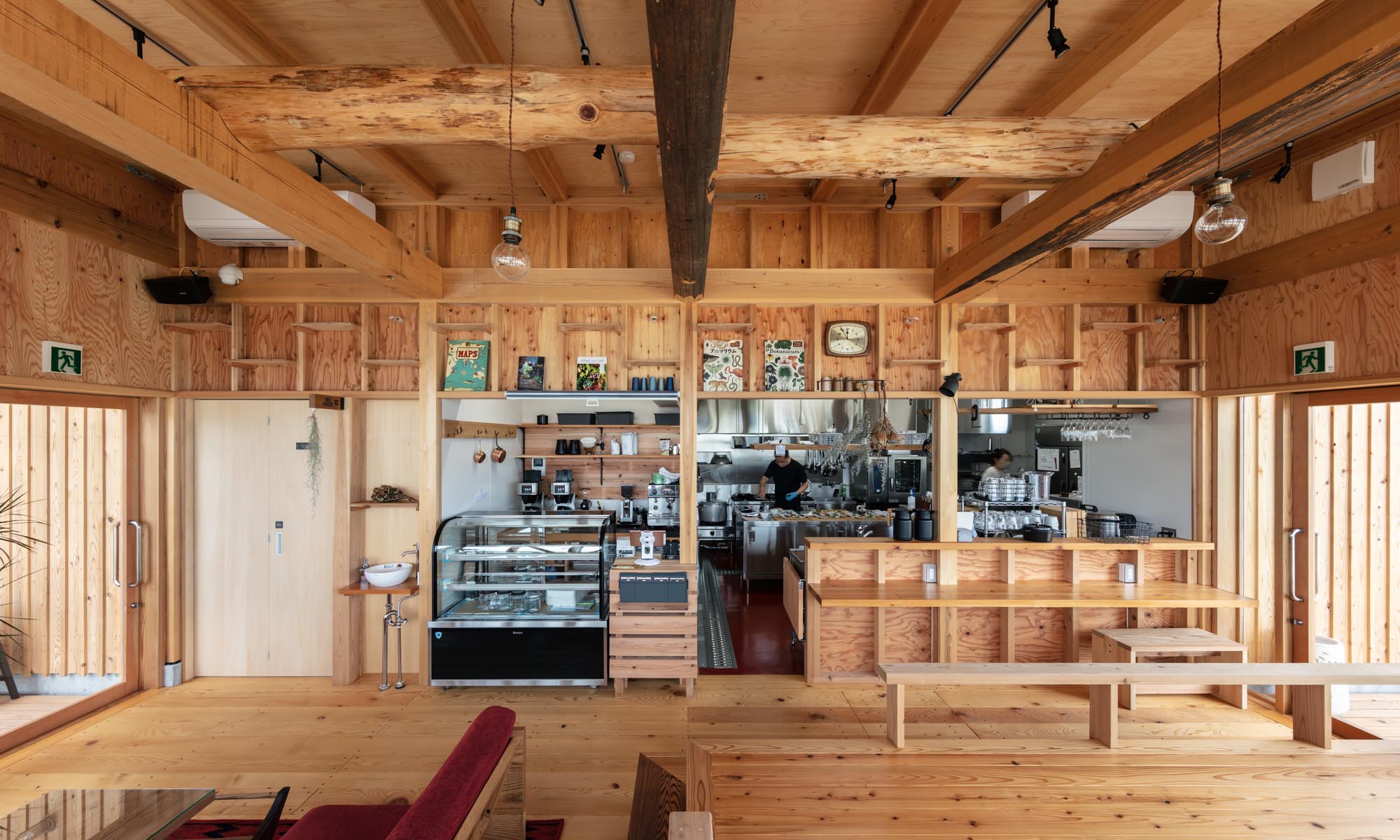
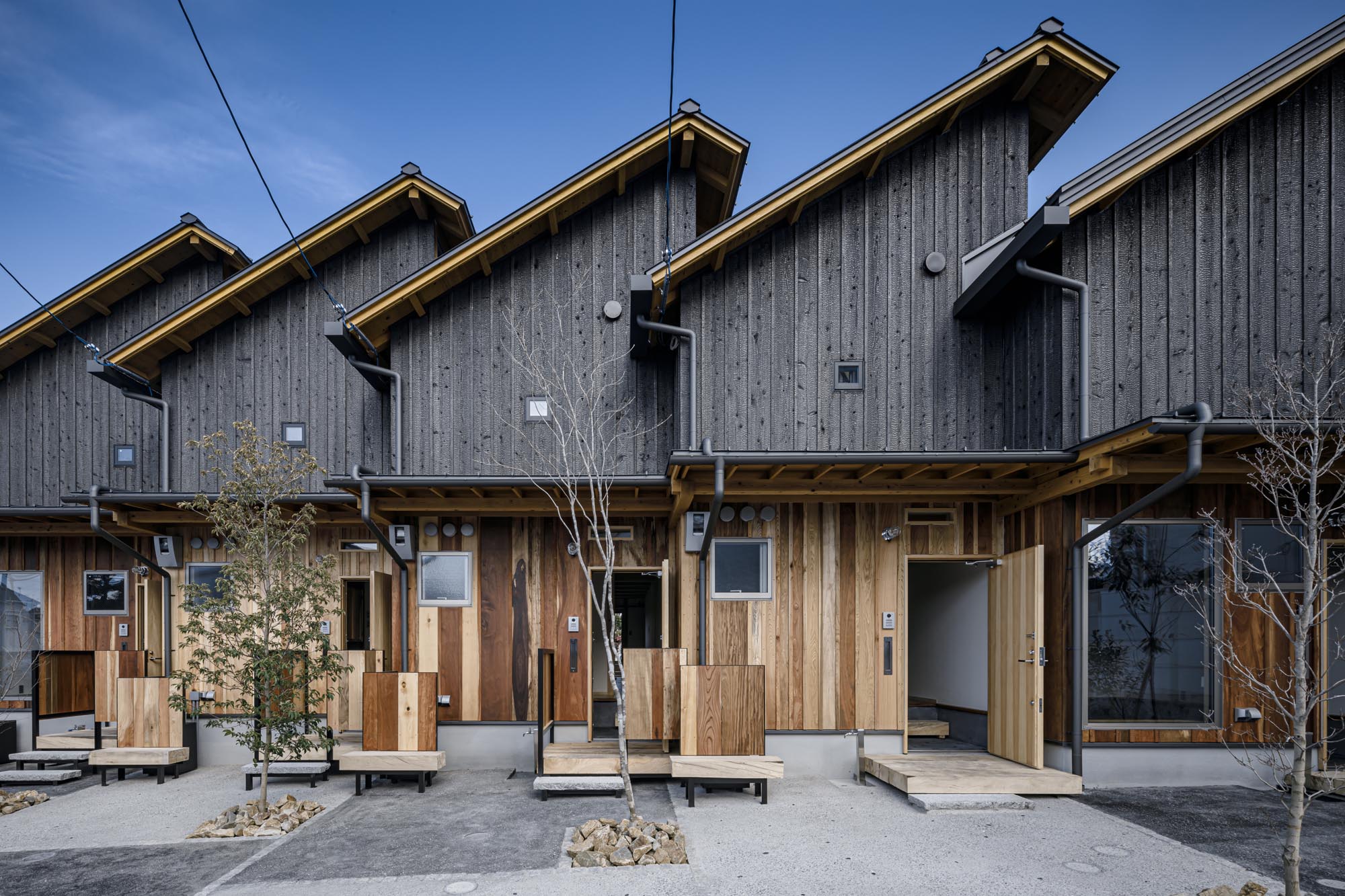
built about 200 years ago. We are now doing several projects, residence,
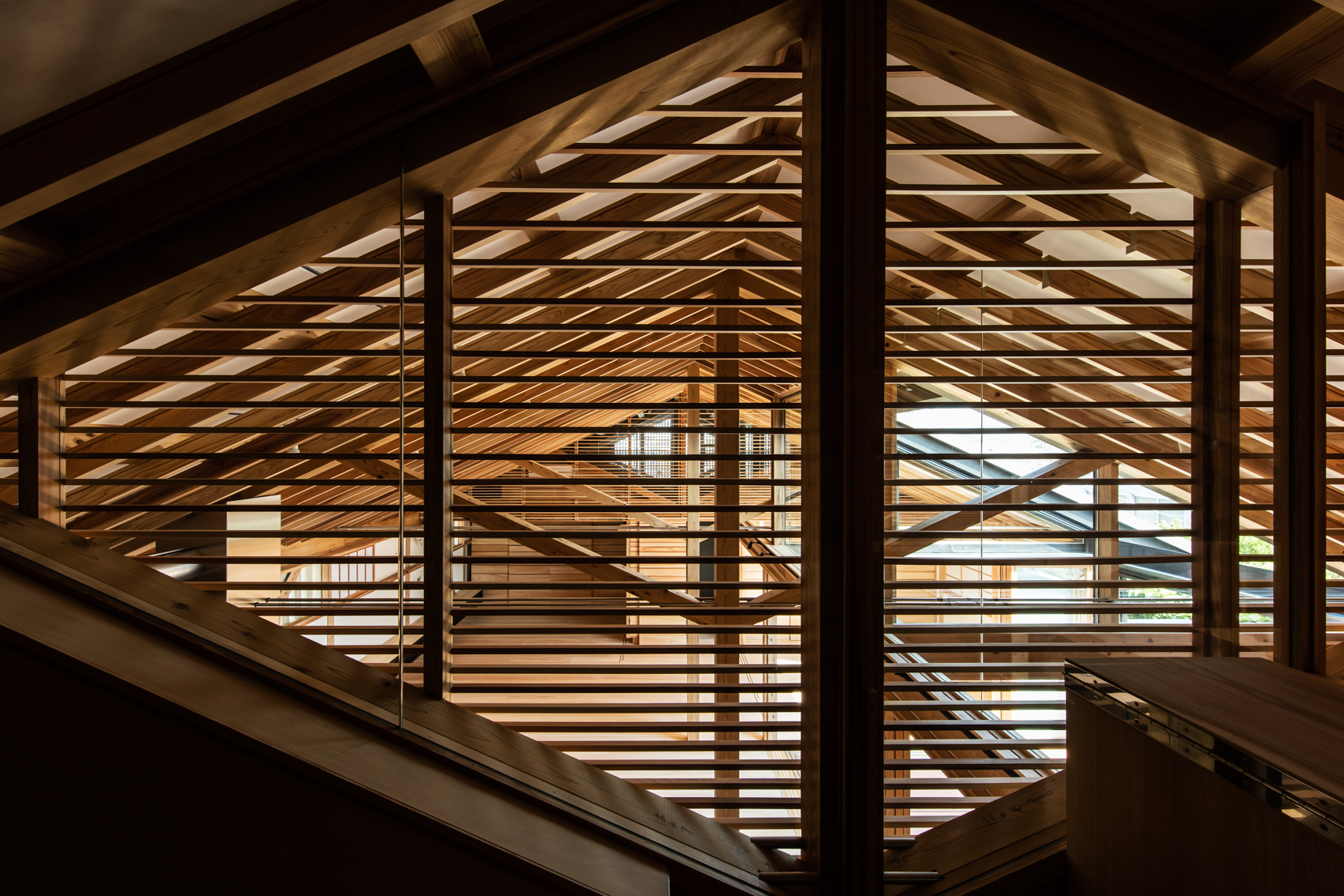
renovation, town-planning, etc, utilizing local materials and traditional skills
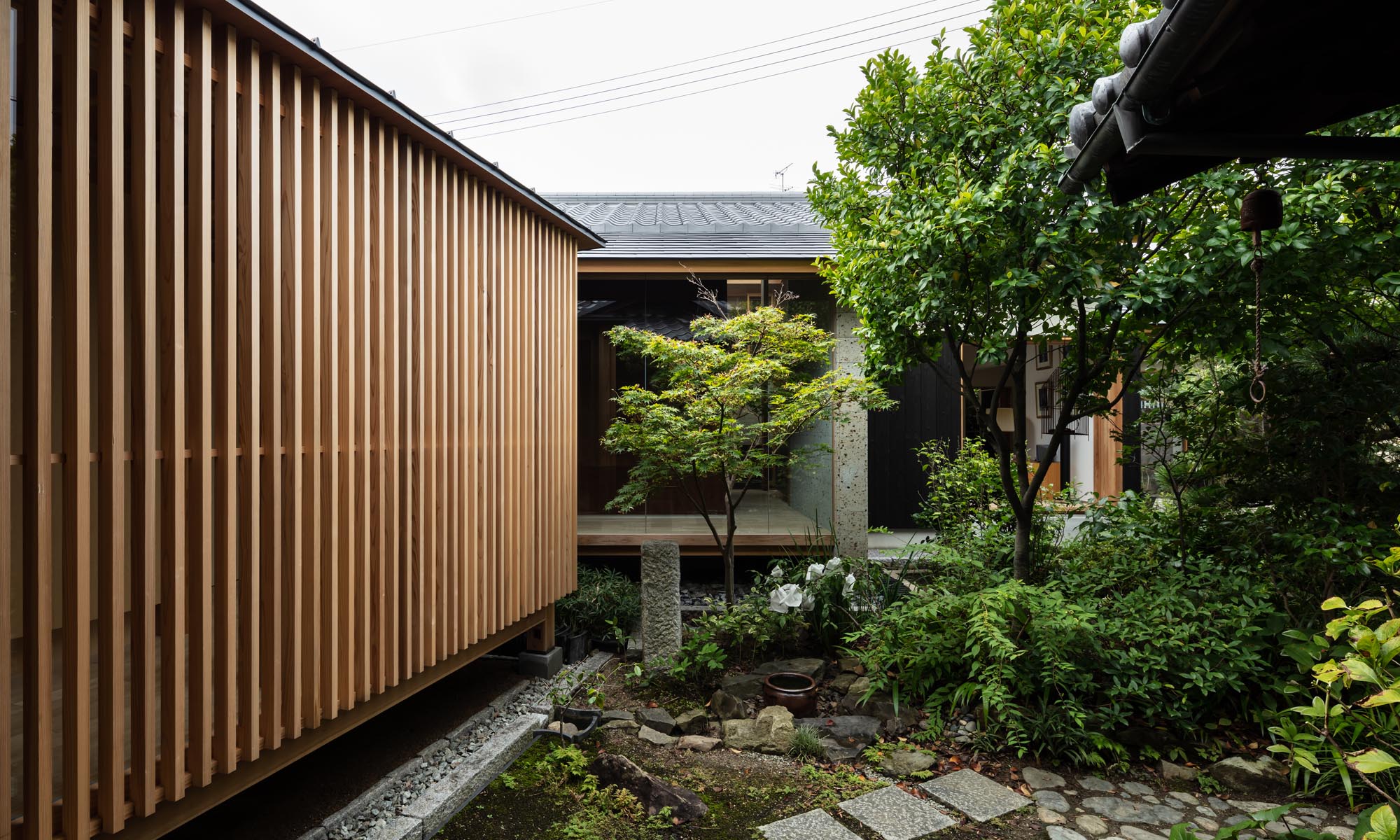
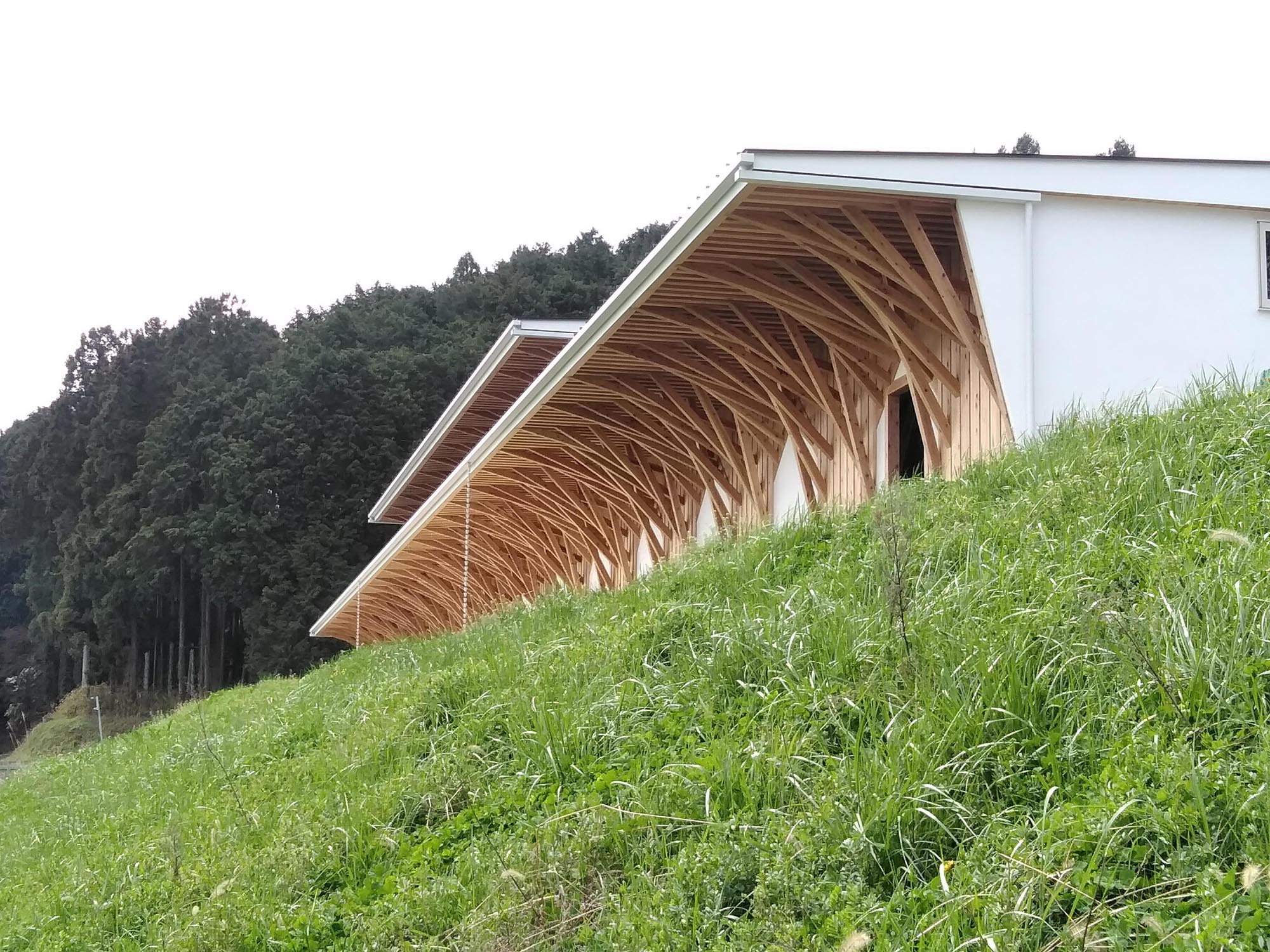
for our creation. Besides, not only in Japan but also in Korea and in Taiwan we
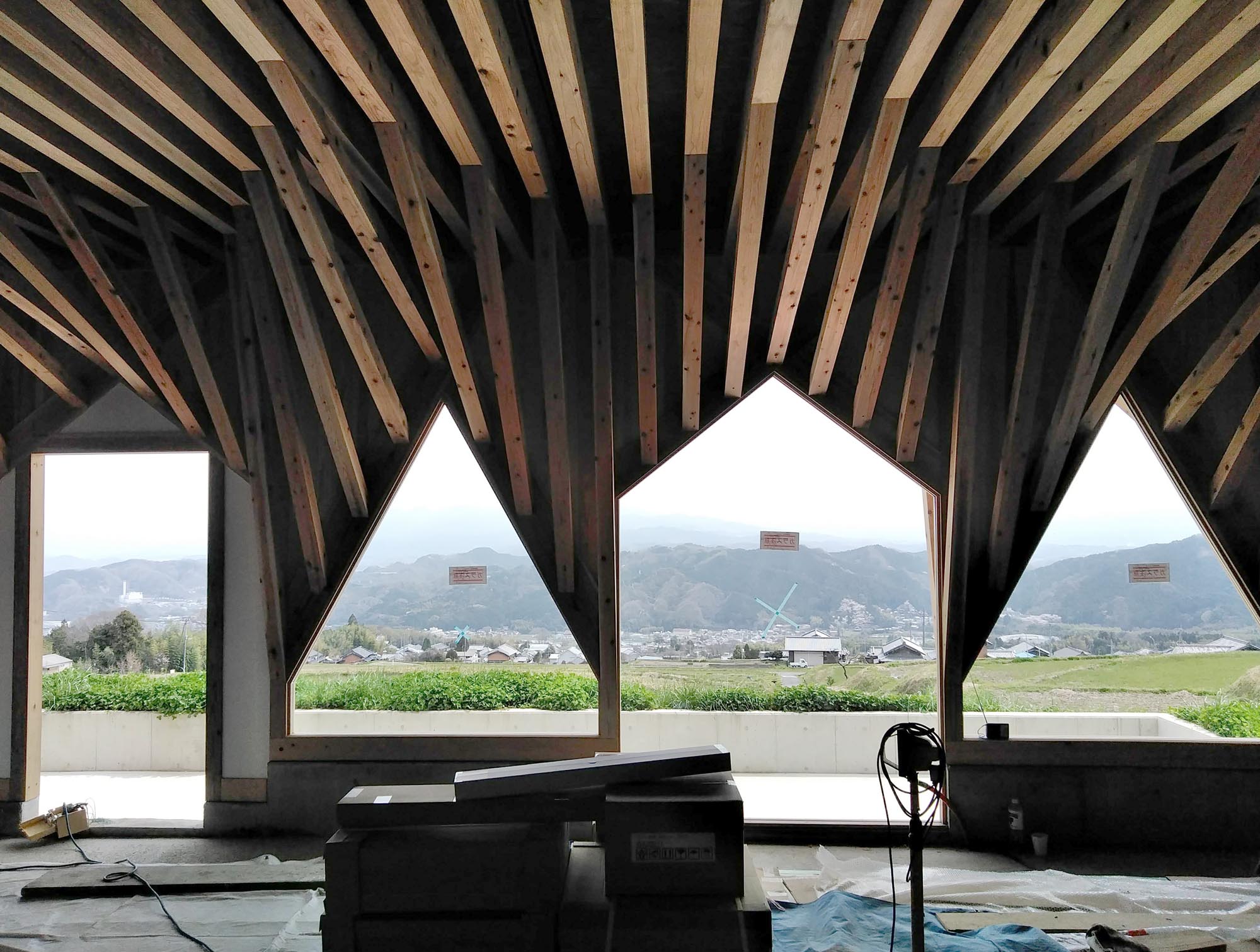
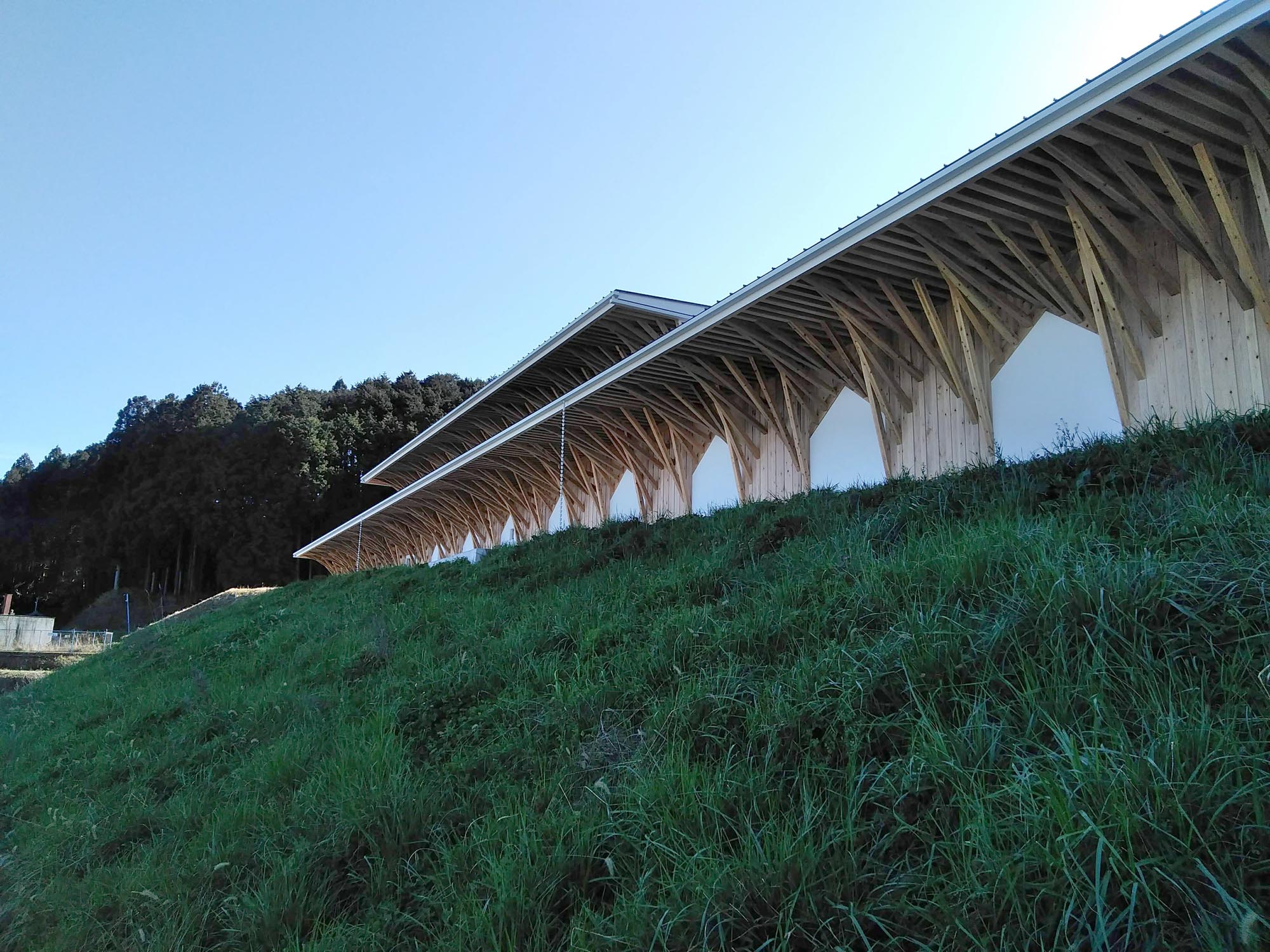
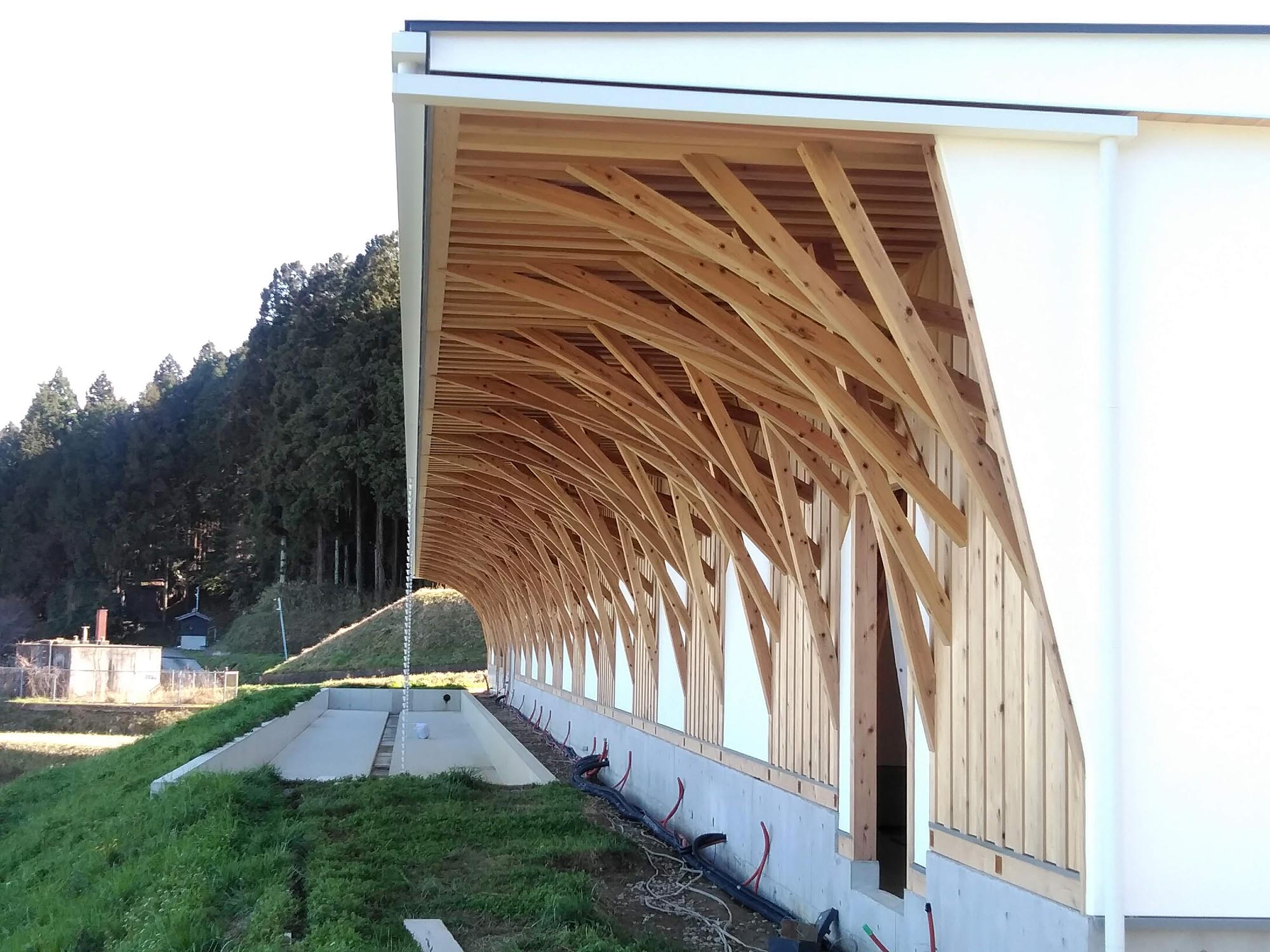
have proposed several projects that architecture is as part of landscape,
utilizing local building techniques and materials.
2. What Is Most Important
To You When It Come To Building House?
First, residents feel safe, relax,
rich, happy. Second, building connects to environment and nature.
3. The
‘WOOD BLOCK HOUSE’ Series Jump Off the Page. What Motivated You To Start This
Project?
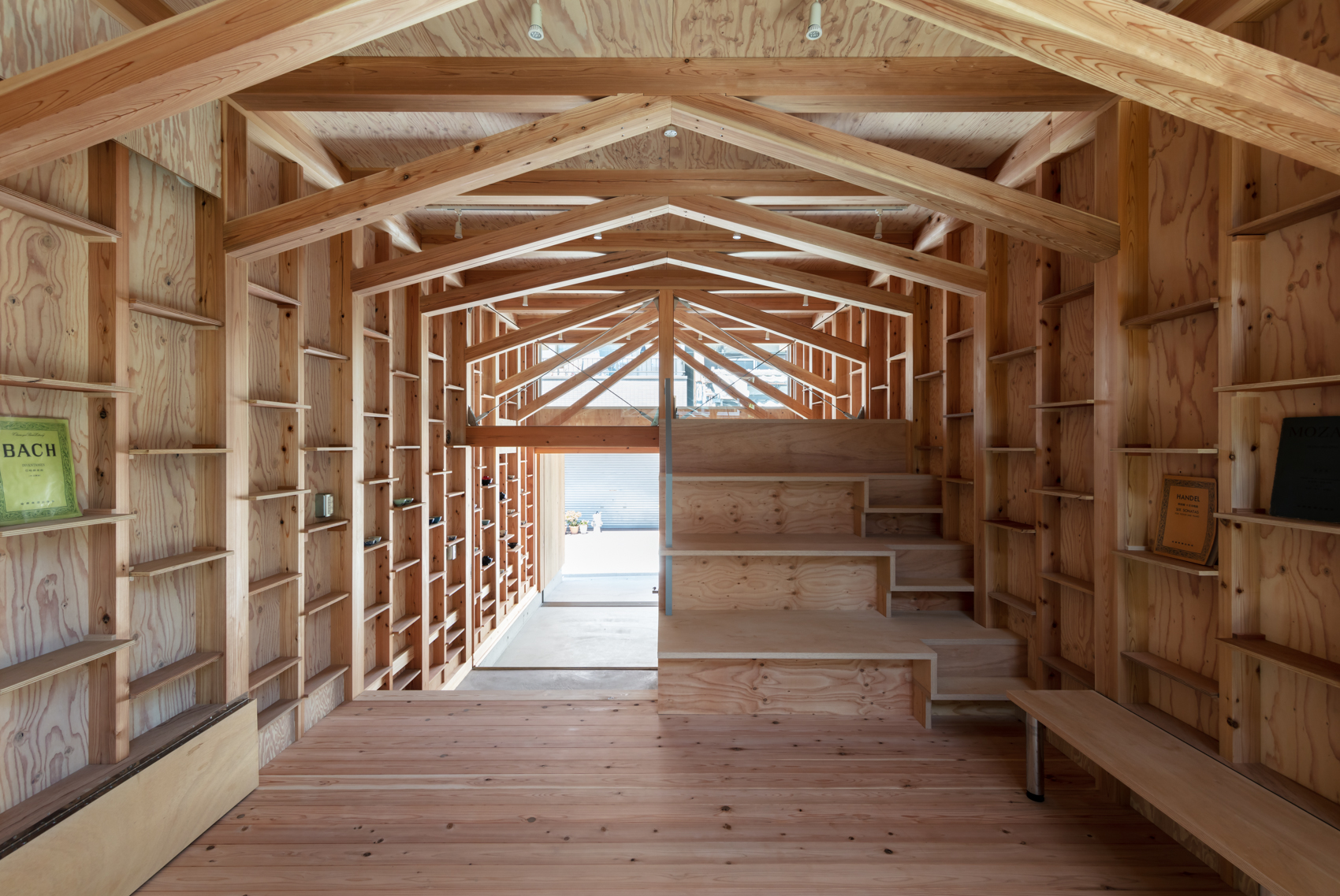
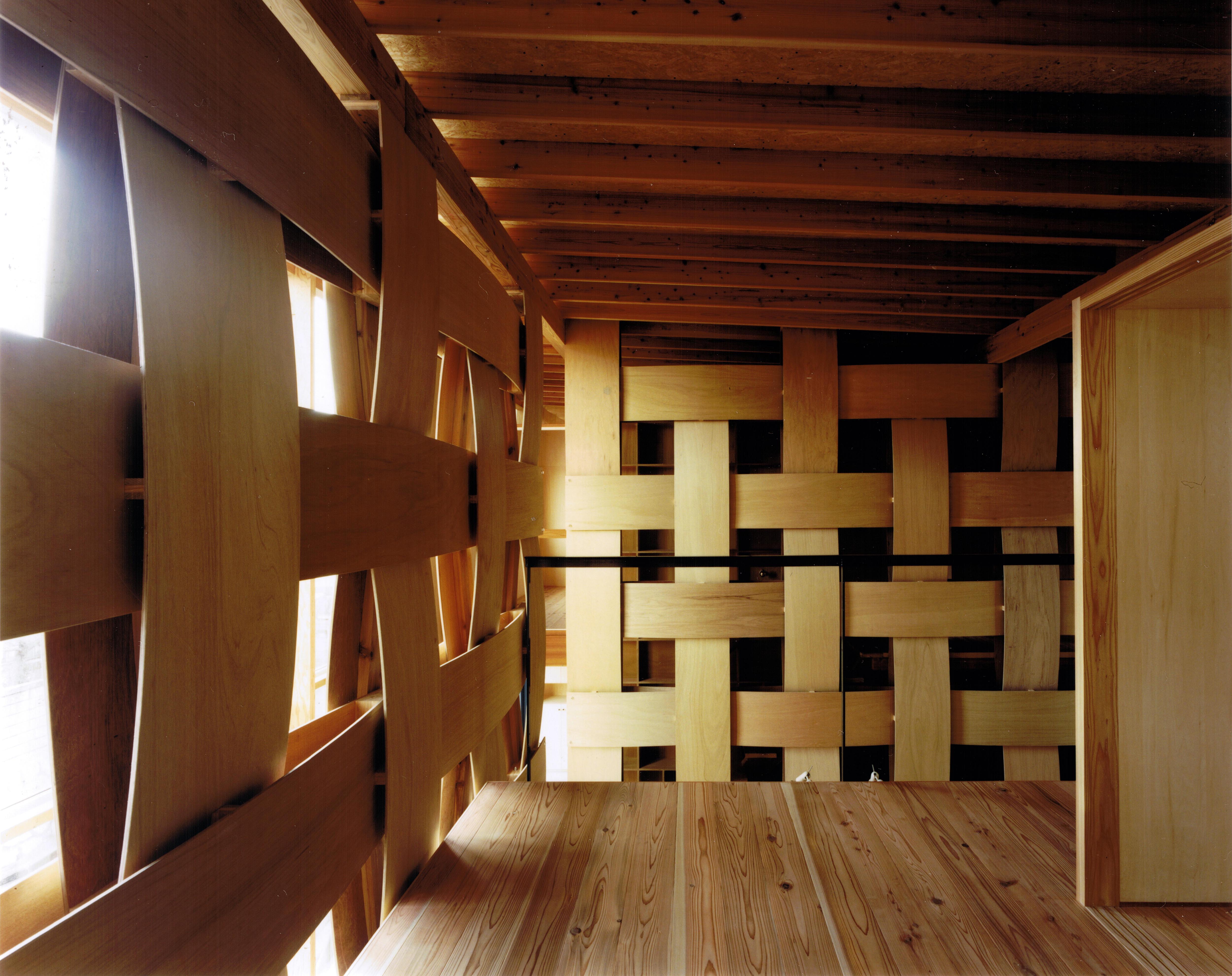
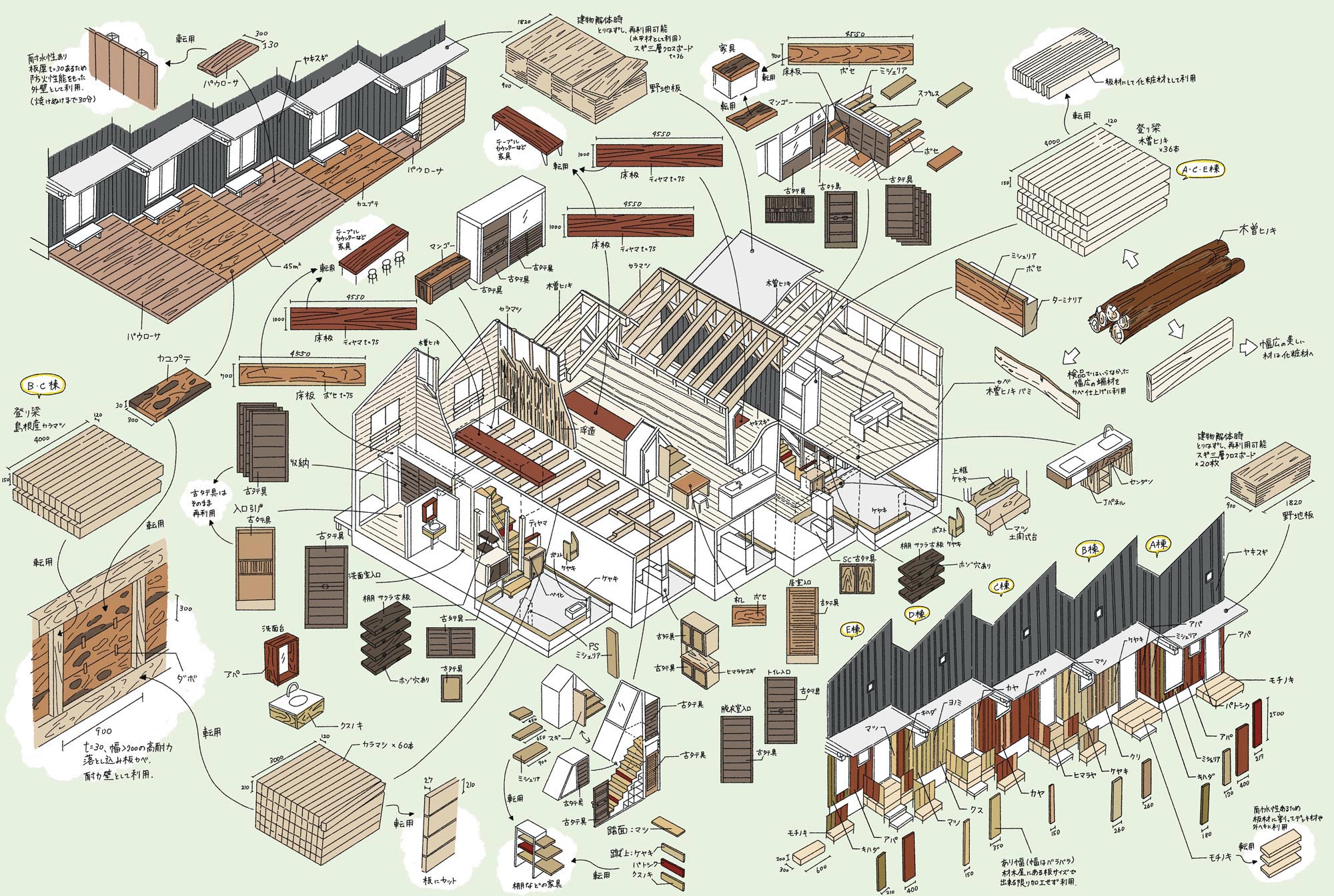
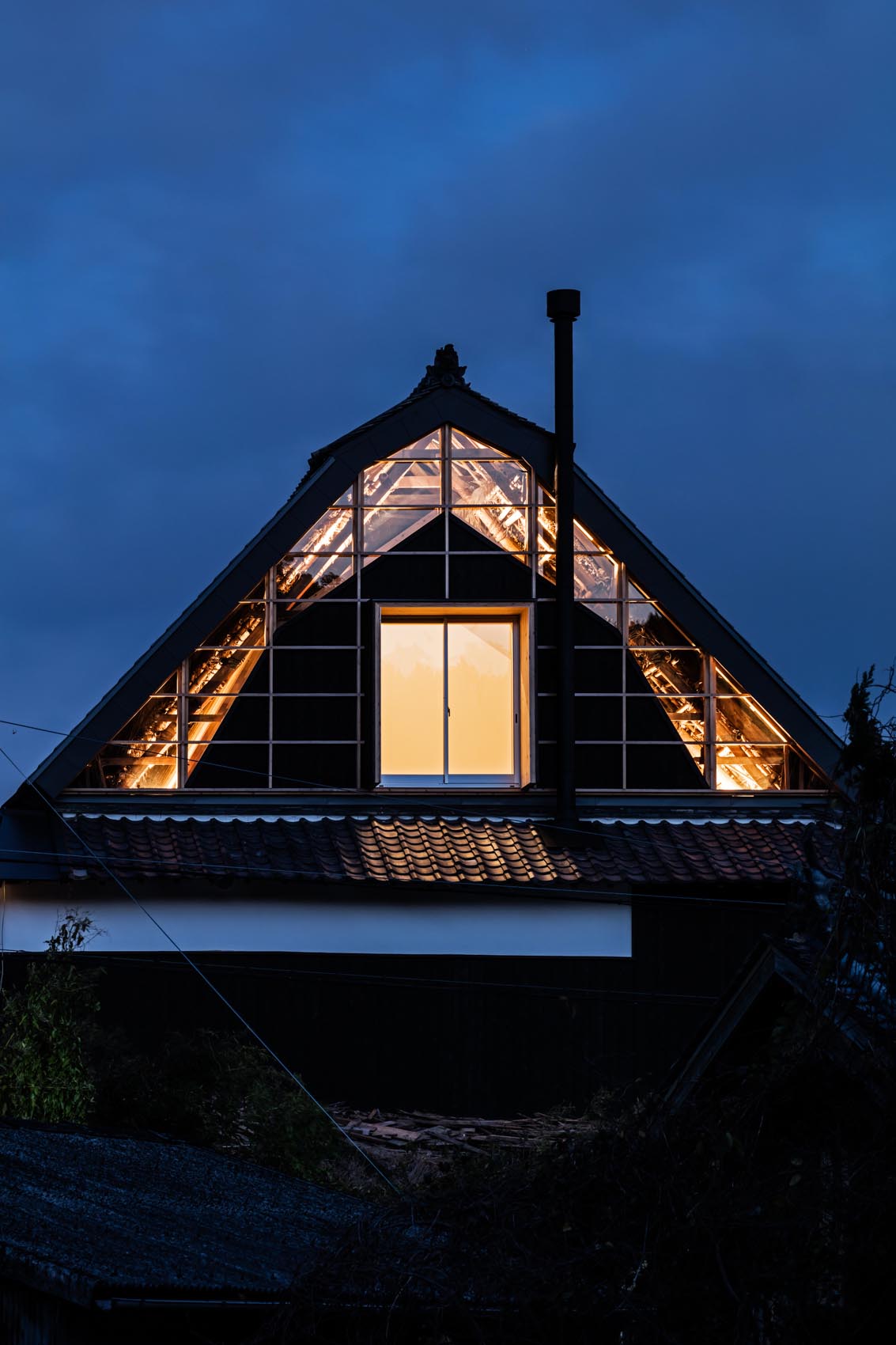
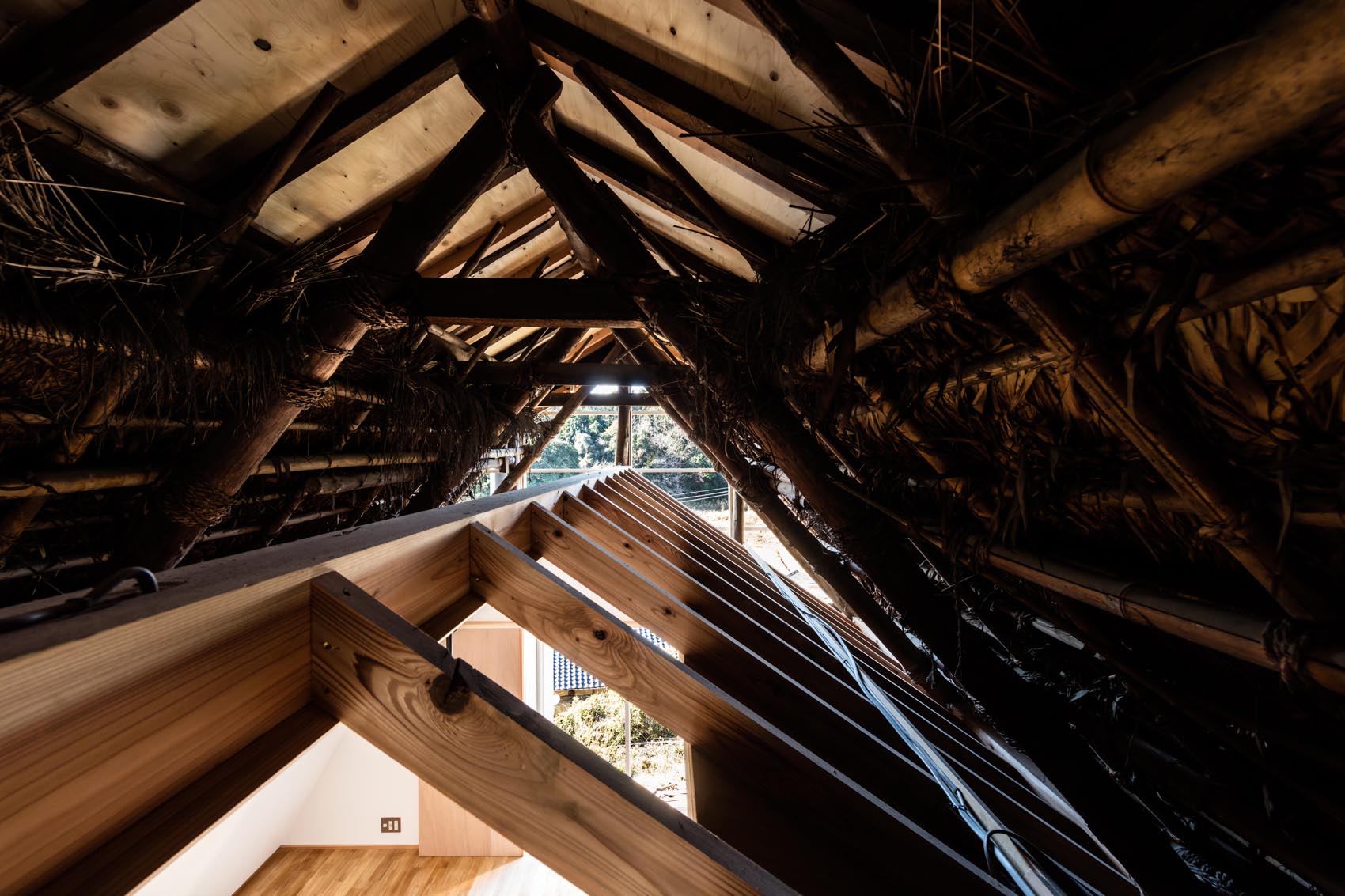
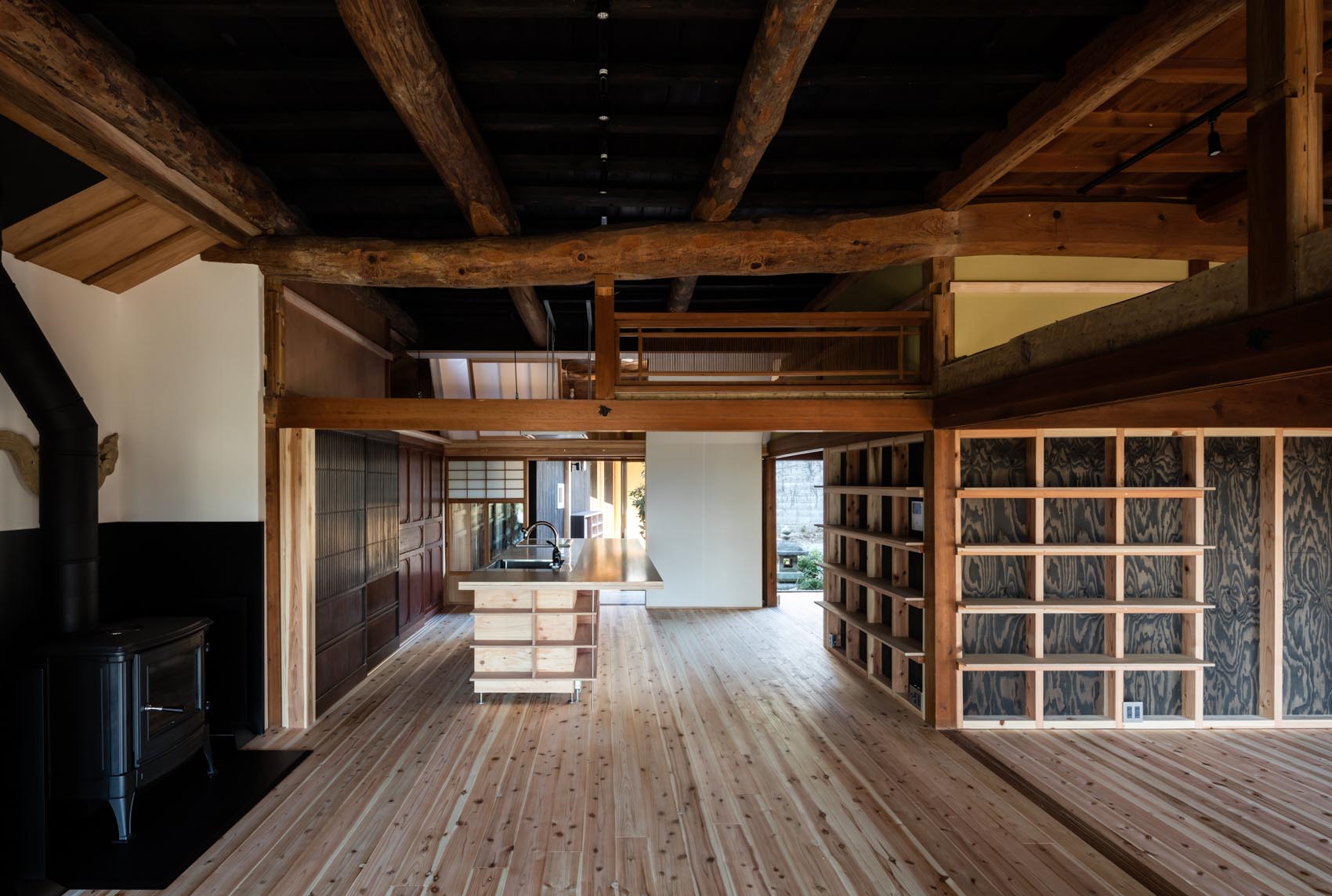
We are interested in integration traditional and contemporary. In
Japan there are a lot of beautiful wooden buildings utilizing traditional wooden
construction skills. But nowadays because of speed and cost, most houses are
built without traditional techniques.
4. What Were You Trying to Portray
Through ‘WOOD BLOCK HOUSE’ Project?
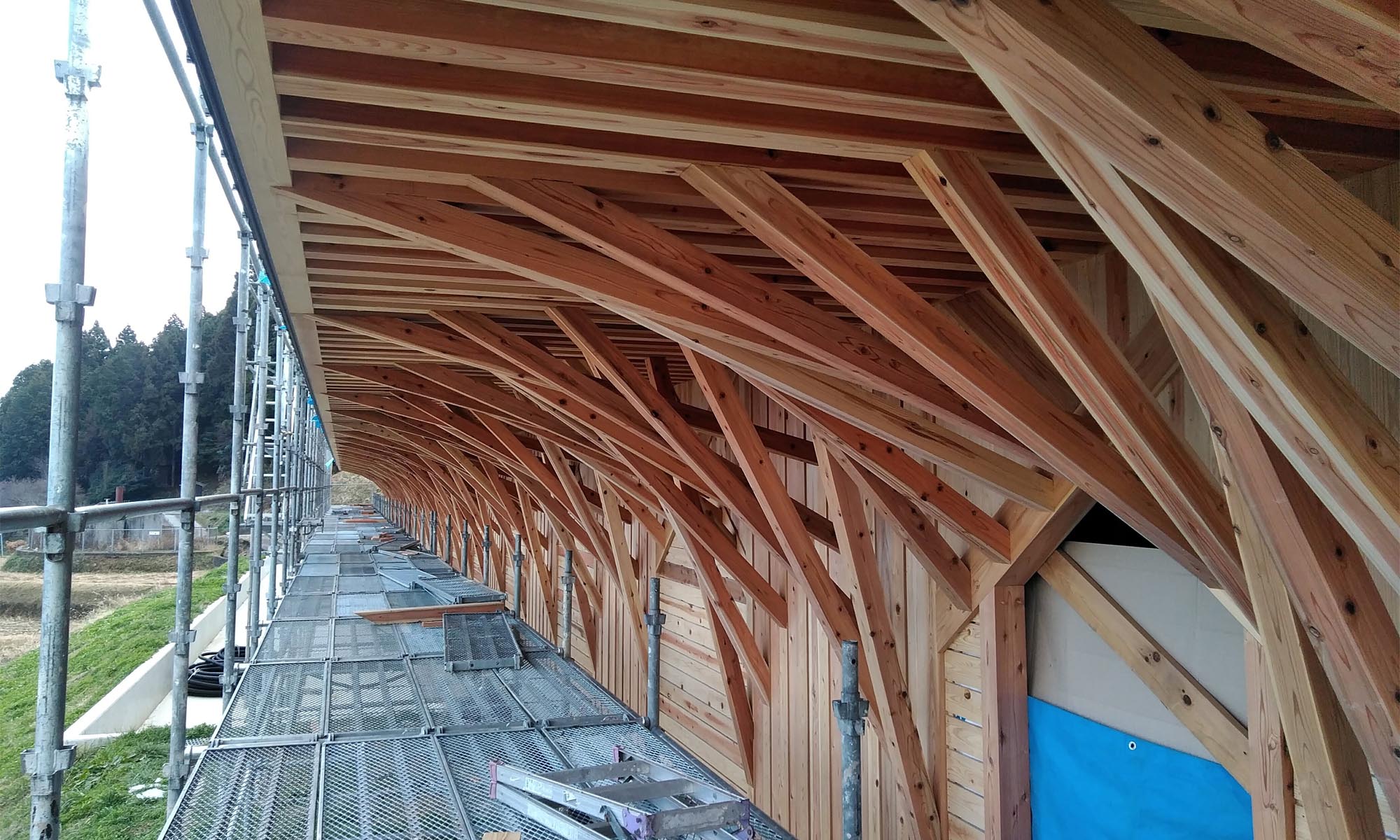
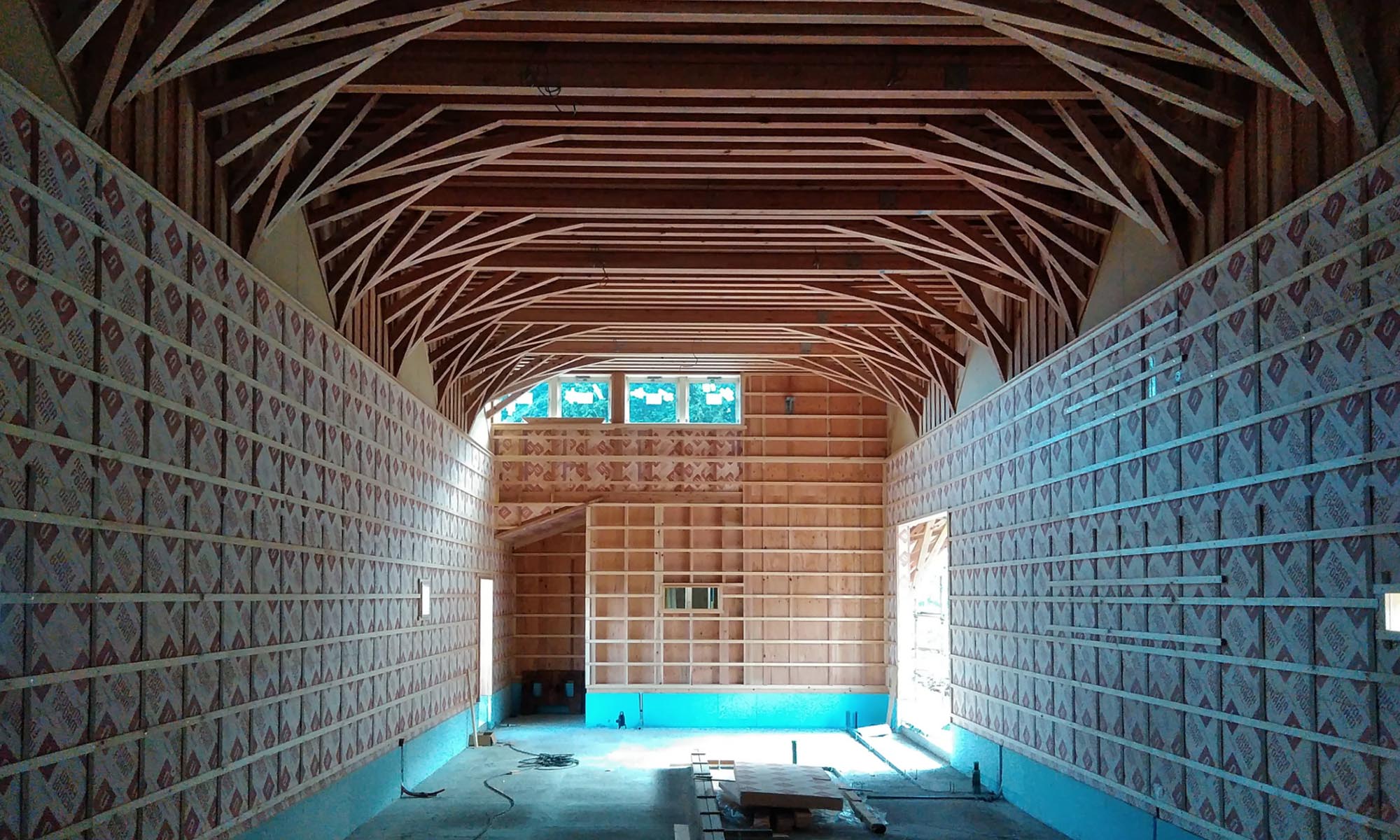
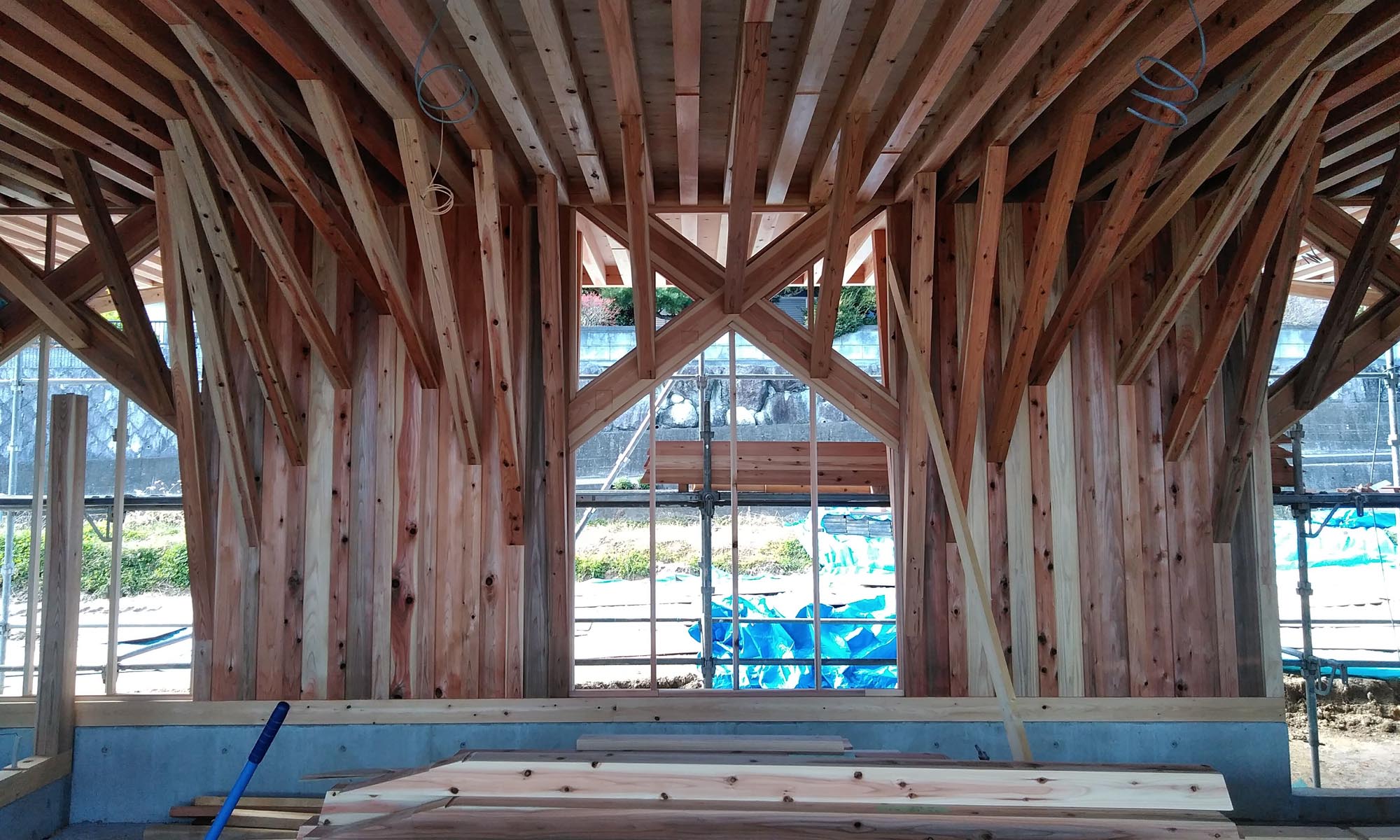
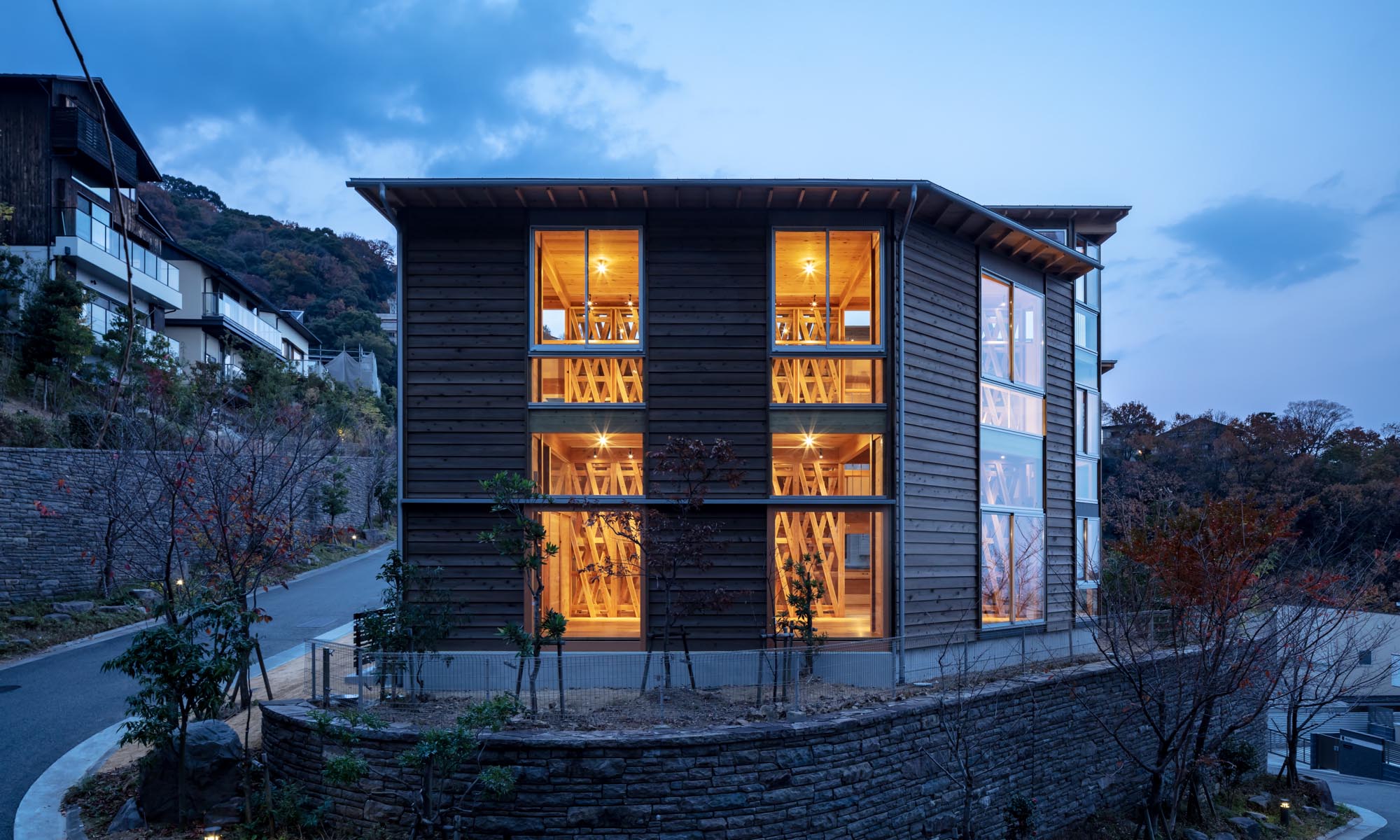
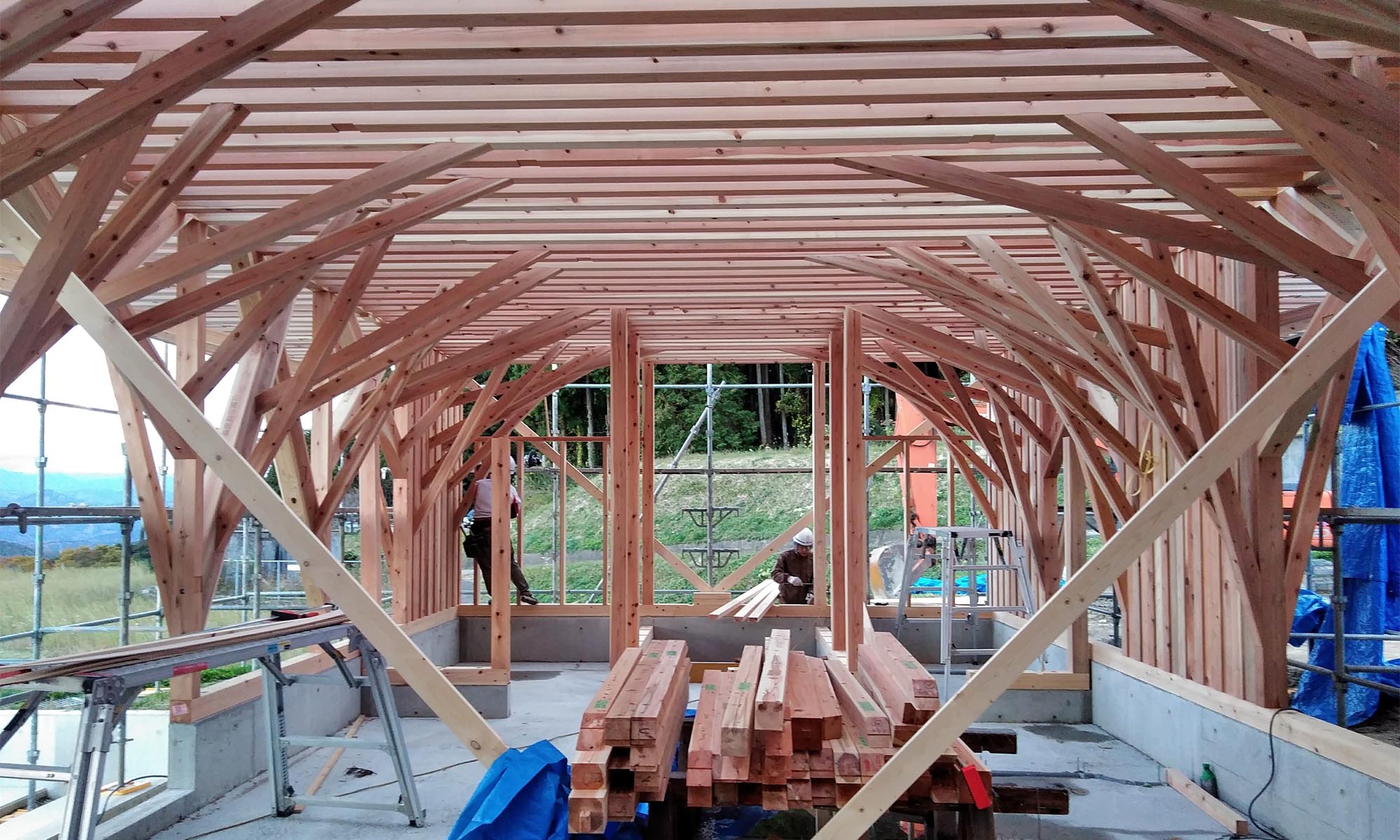
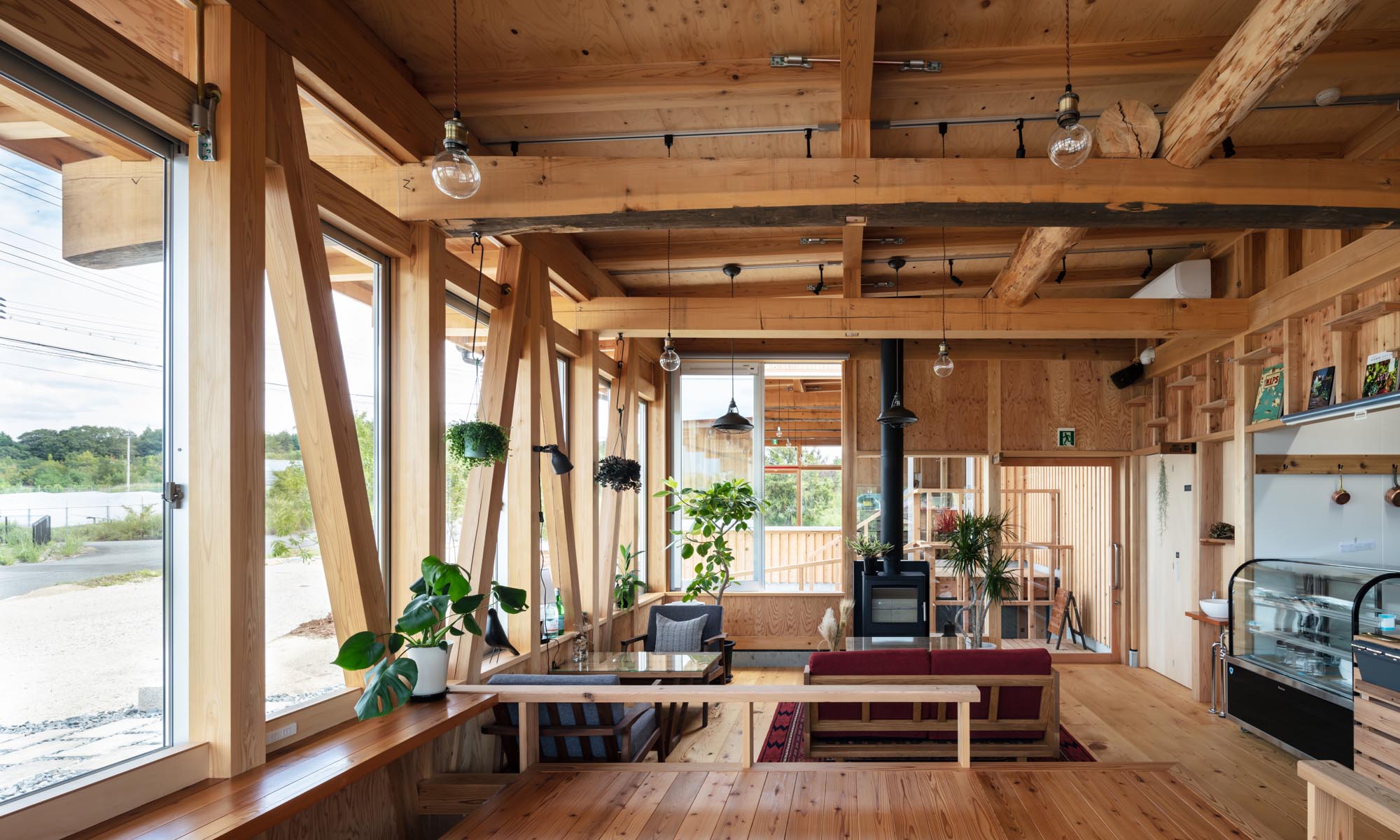
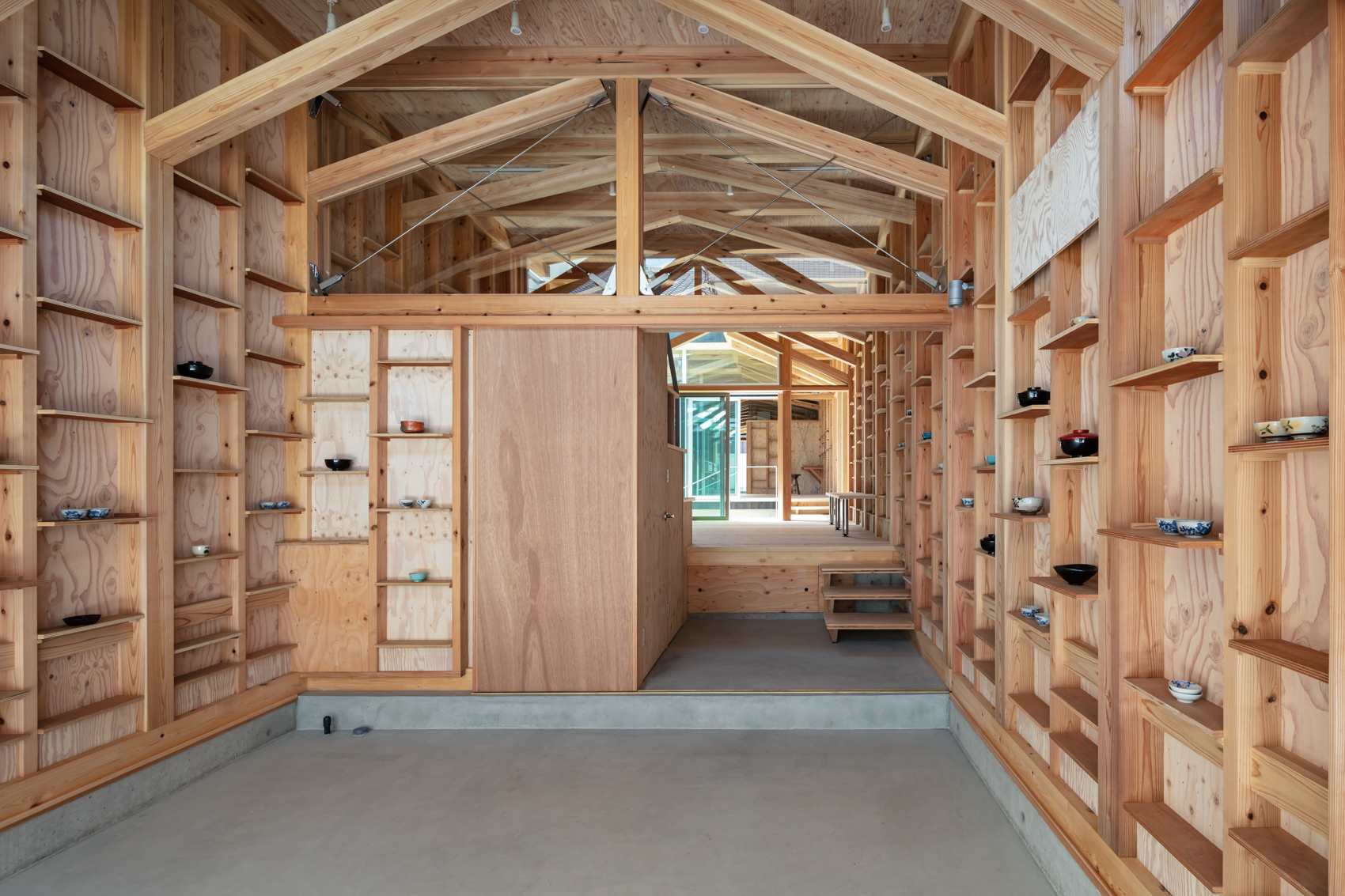
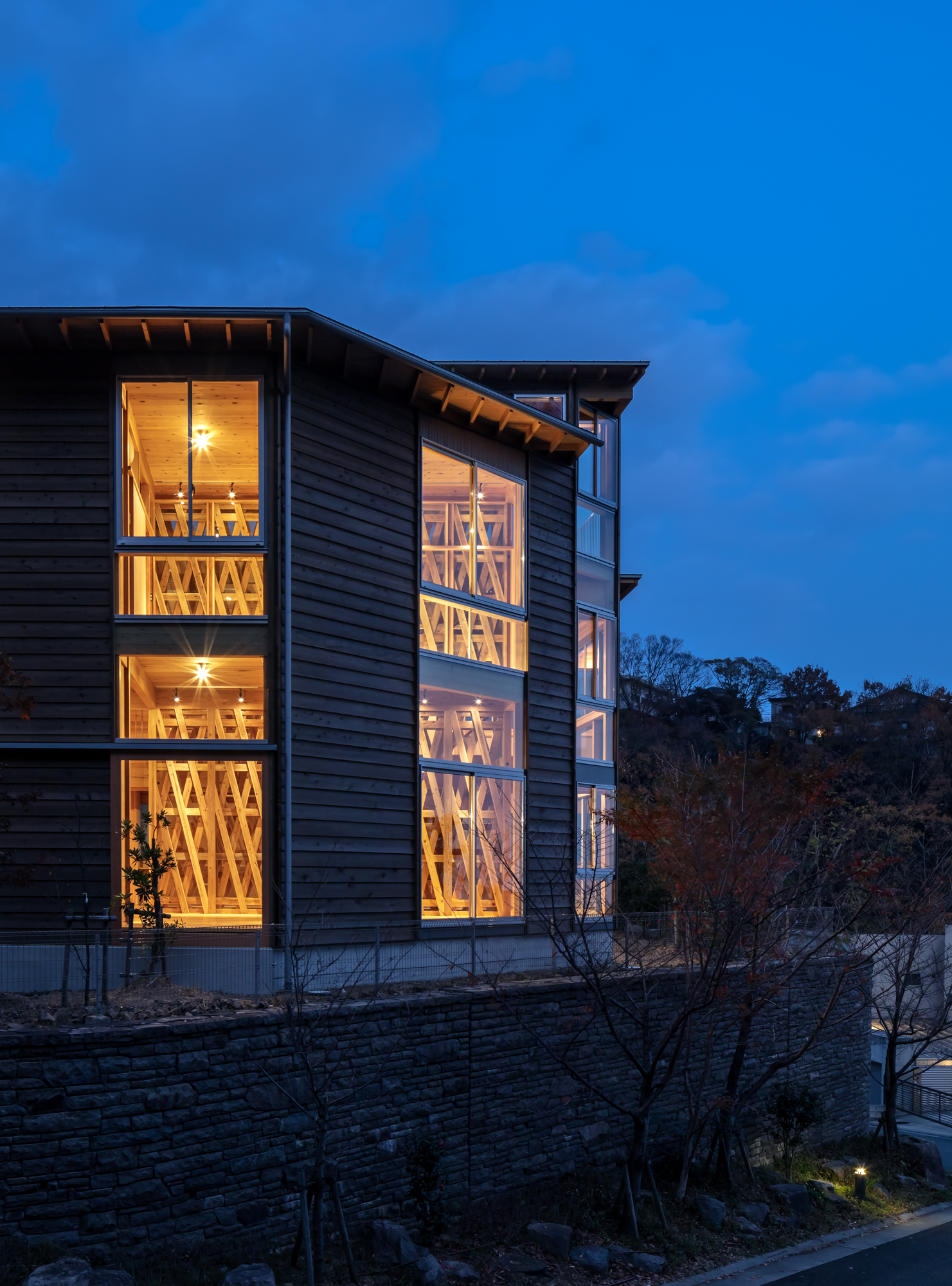
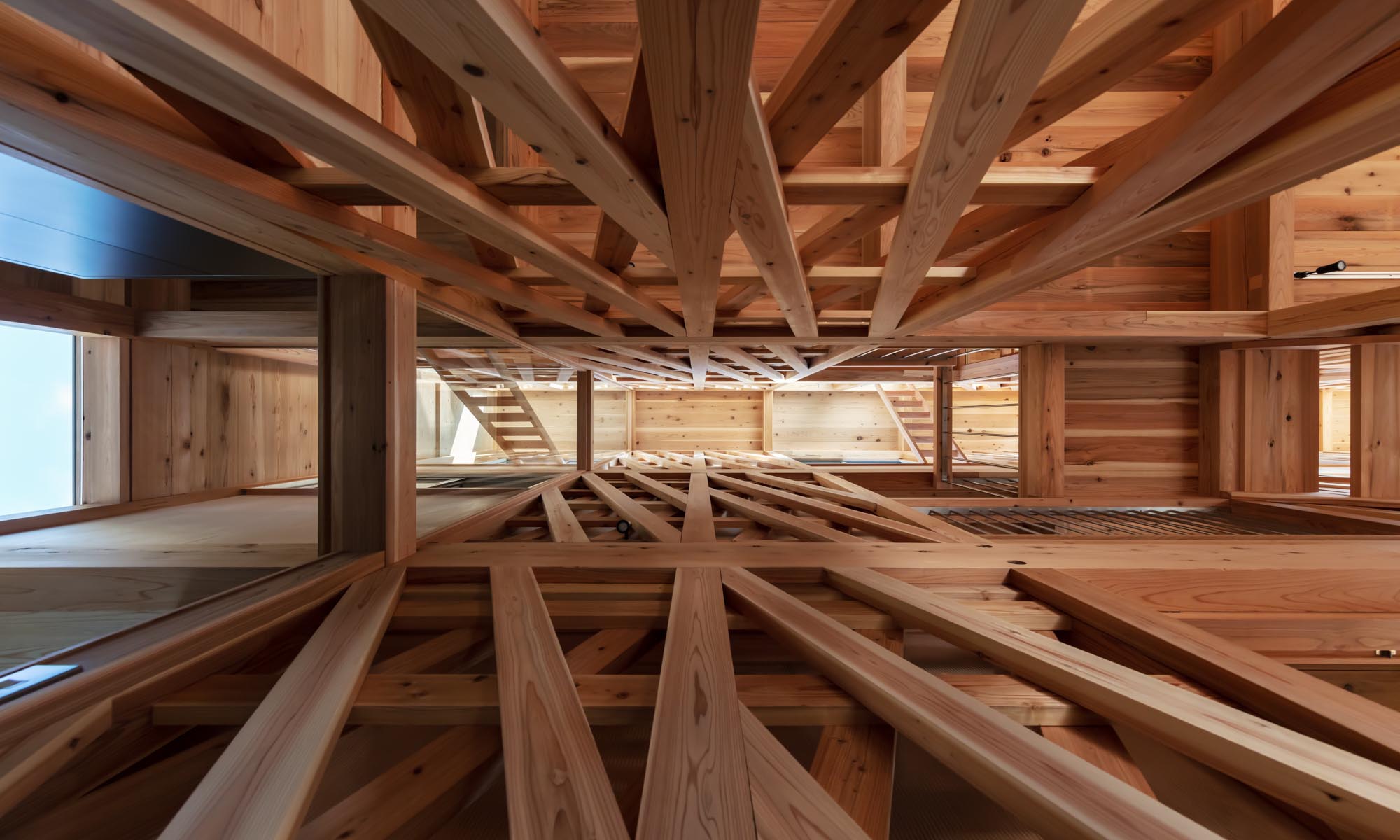
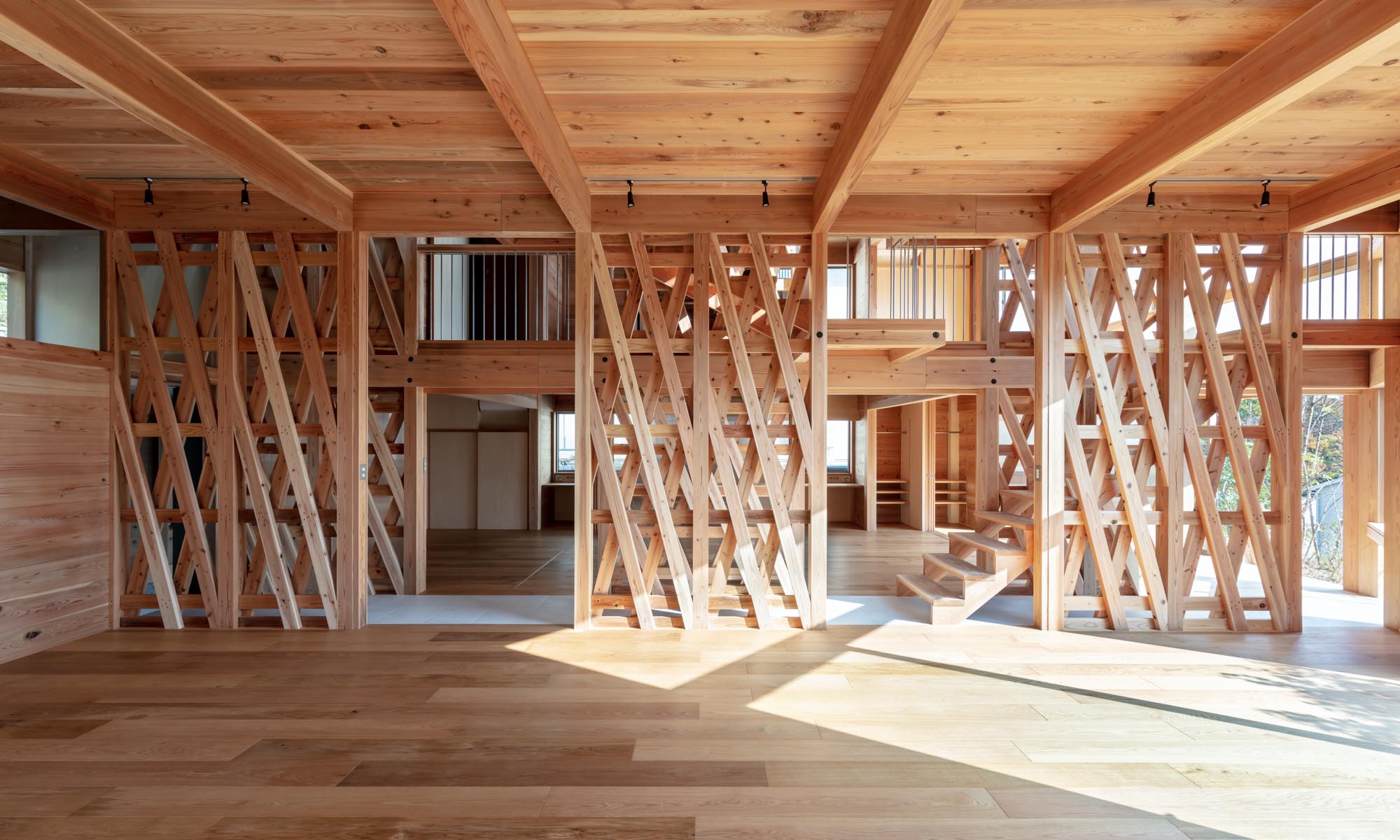
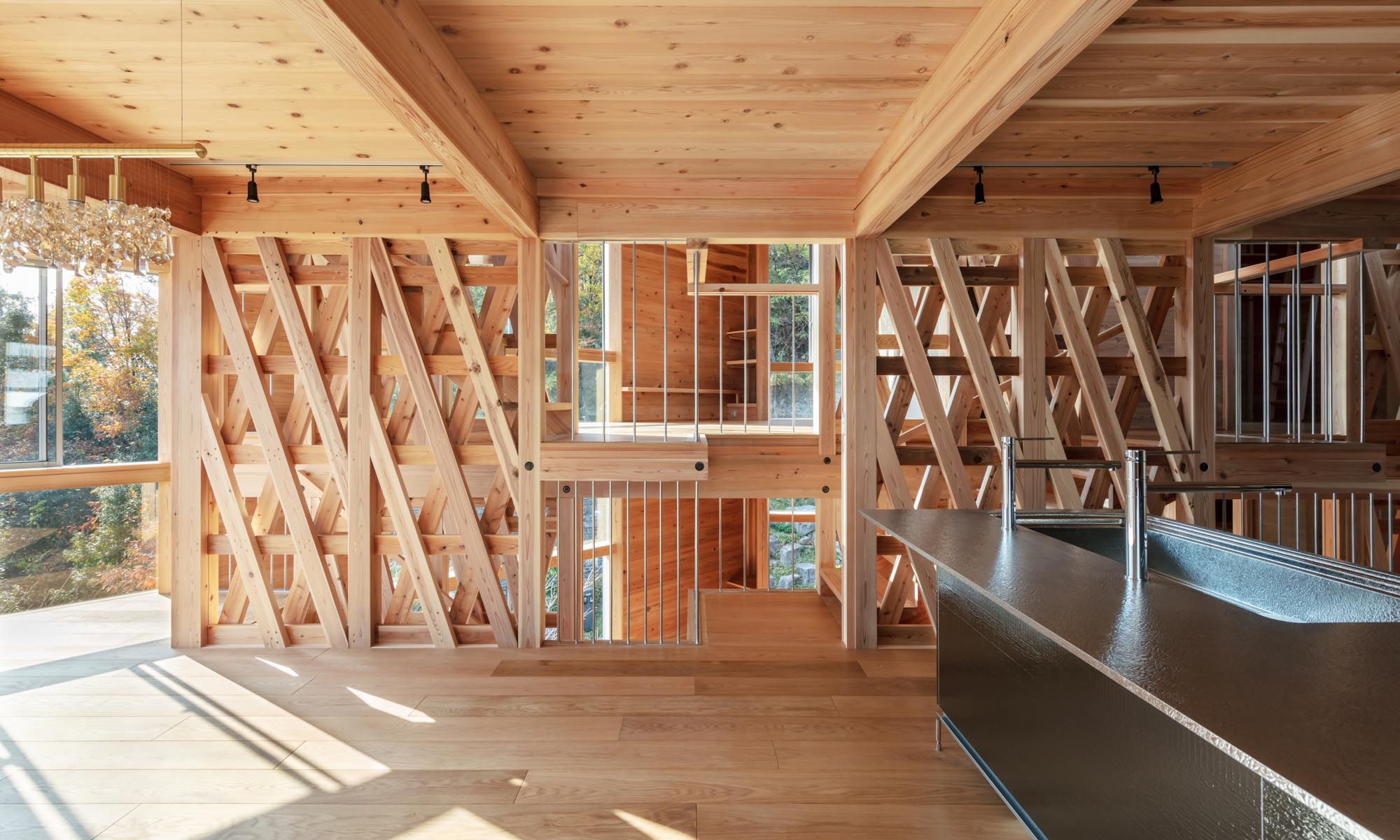
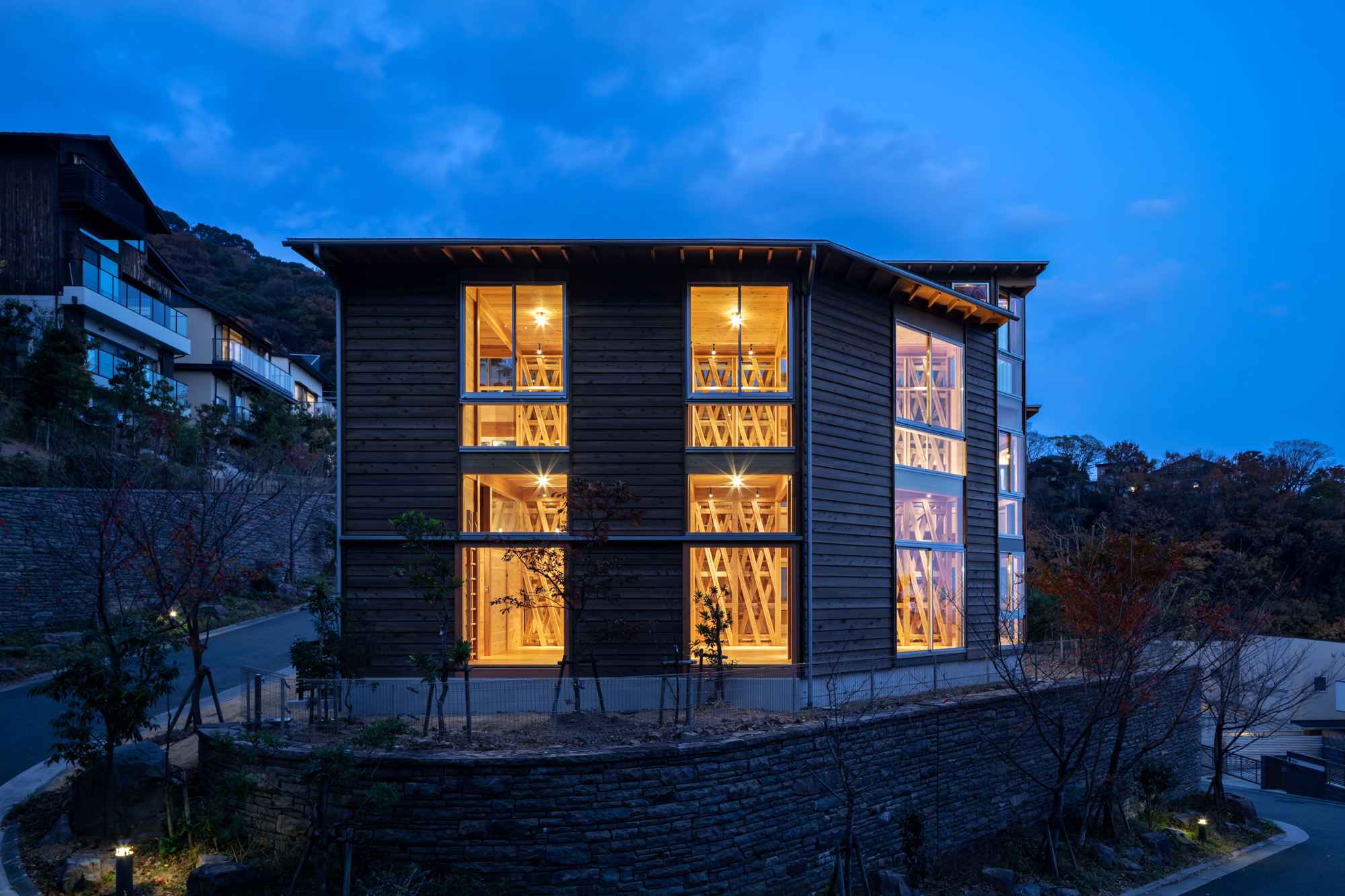
We were trying to integrate traditional
skills and modern materials, creating new wooden structural system on limited
budged, speedy. This structural wall consists of several wooden blocks that can
be easily stacked without the help of skilled workers, and be disassembled and
assembled in different location if necessary in the future. Now we try to apply
this wooden block system to fast shelter after earthquakes.
5. Do You
Believe That Architecture Could Be a Vital Element to change Social Environment?
I think that architecture is one of several important factors to change
social environment. Today resources are limited, so we have to be aware of
impact of architecture on nature and environment.
6. Building Nowadays Are
Sky-high and Gigantic. Curved and Warped Lines Exude Beauty Whereas Candidly
Straight Lines Loose Charm. Populated By Intimidating and Capacious Buildings
Are The Urban Setting of Today. It Looks More Like a Construction Site Than
Architecture?
It is important that architecture connects to its context. Not
understanding the context makes ‘architecture’ just only ‘building’.
7.
Could The Height of a Building Become a Standard To Distinguish Social
Hierarchy?
In our time, not competition for impact of form but harmony with
environment becomes a standard.
8. Recent Architecture Seldom Feels As If Is
Built Not for the People but for the City’s Aesthetic. People Should Come First,
And It Should Be Architecture for the People, However It Seems More like the
Space is Built and People Are Forced into That Space. The Reason Why I wanted to
Interview You Was Because You Seemed like a Person Who Would Pursue Humanism
Architecture. Shaw I Understand Your Architecture as Humanish Architecture?
We always attach importance to dialogue. Dialogue makes projects better.
9. Architecture Environment in Japan Seems to be a lot different From That
in Korea, Is There an Architecture Style That is Spot-Lighted Currently in Japan
?
there are so many architecture styles. Many of them are interested in
sustainability.
10. What is The Definition of Architecture If you May.
Architecture is not just only building but the whole landscape including all
environment of the building.
11. In This Modern Setting, What Would be a
Healthy Architecture?
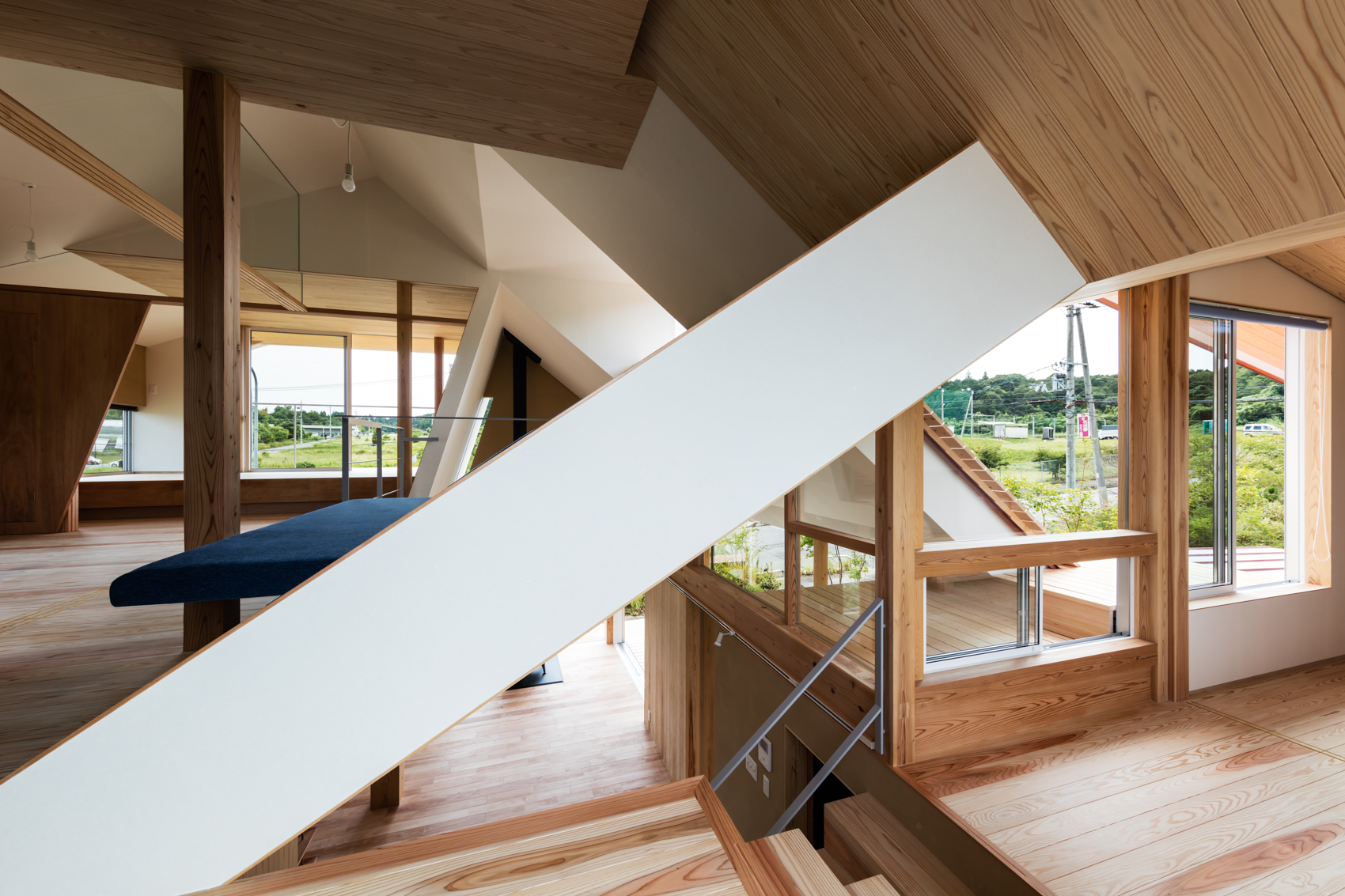
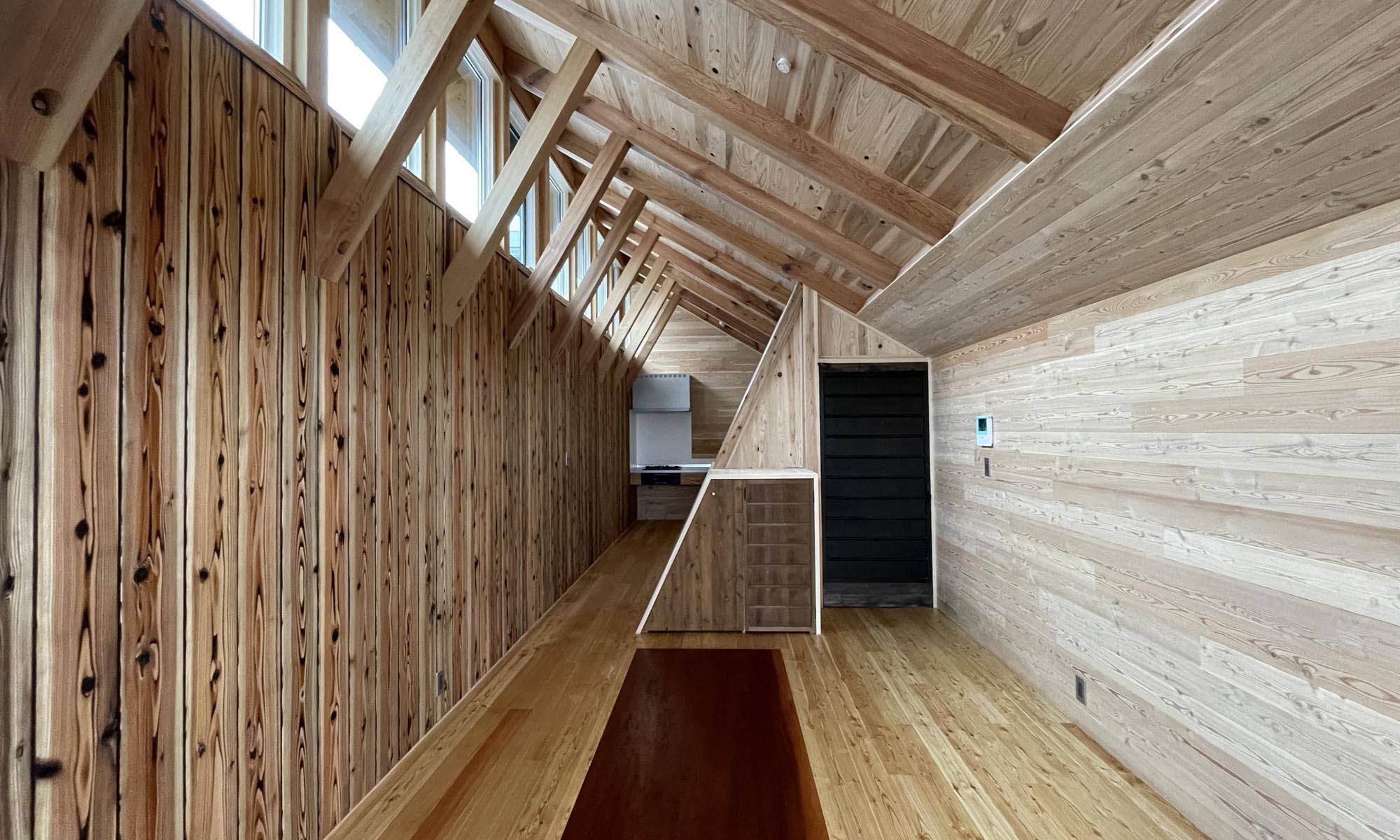
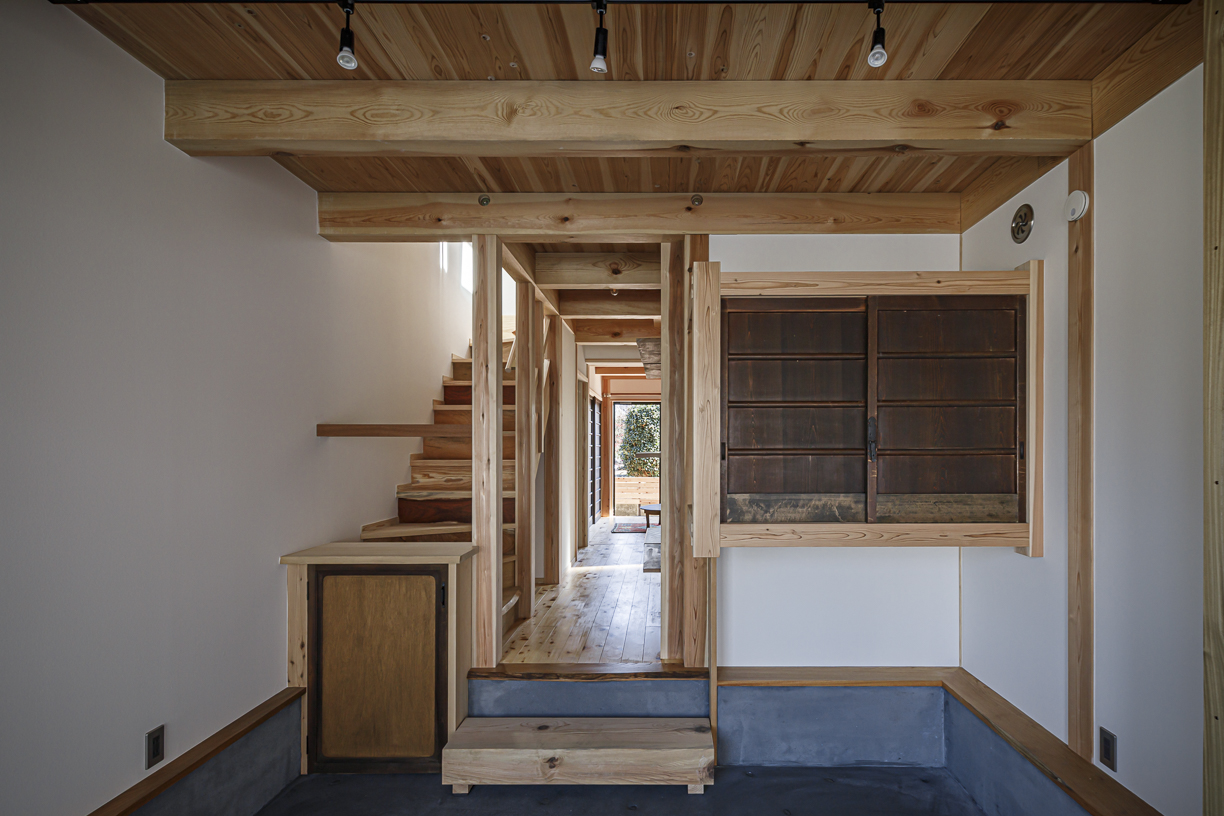
Healthy architecture connects to environment and
nature, is built as a part of landscape, utilizing local materials and local
building techniques, where we always feel nature.
12. Lastly, Are you an
Architecture Who Follows Current Trends, or Are you an Architecture Who Creates
Newness with Your Own Will, Regardless of Current Trends?
I am not
interested in current trends. More important thing is how new space, new value
of lifestyle can be created.